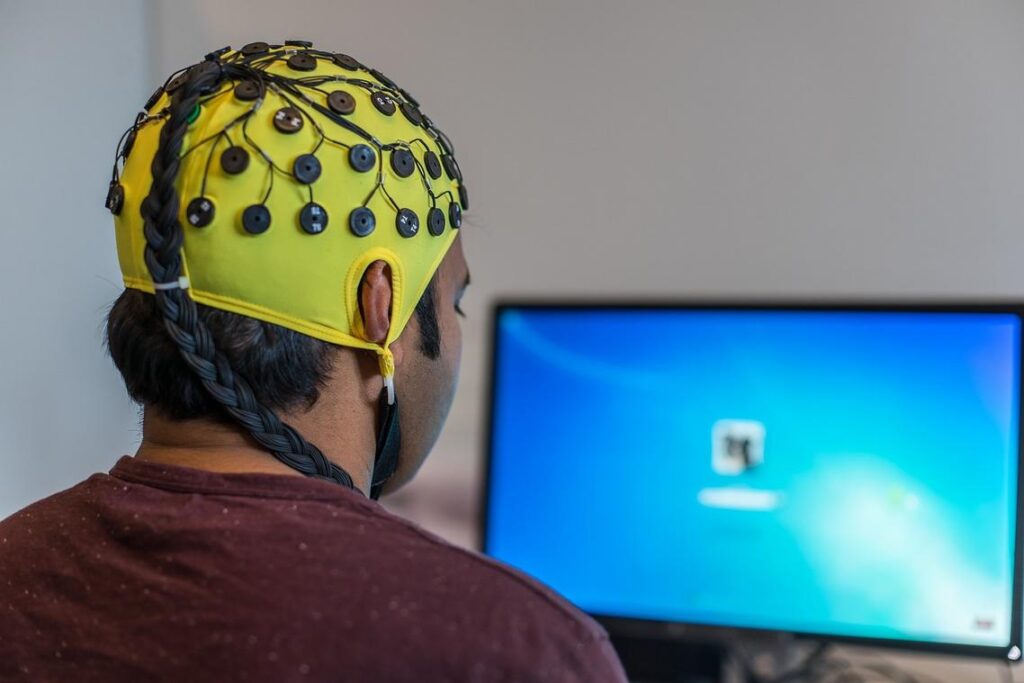
If you’ve ever lost track of time during a perfectly balanced match or felt completely immersed in a game world, you’ve experienced flow state in gaming. Many players chase that feeling—but struggle to understand how to enter it consistently or use it to improve performance.
This article is designed to help you do exactly that. We’ll break down the core mechanics behind achieving flow, how game design influences immersion, and the practical strategies you can apply to sharpen focus, optimize progression, and elevate your gameplay. Whether you’re navigating competitive arenas or exploring expansive open worlds, understanding how flow works gives you a measurable edge.
Our insights are grounded in performance psychology research, deep analysis of game mechanics, and proven progression systems used across modern titles. By the end, you’ll know how to intentionally trigger flow, avoid common focus disruptors, and turn immersive play into consistent level-up momentum.
Back in 2019, researchers at the University of Chicago found that deep focus follows predictable cognitive cycles (about 90 minutes at a time). So why do we expect instant mastery in a five-minute warmup? To unlock flow state in gaming, you need structure, not luck. First, eliminate micro-distractions: silence notifications, close background tabs, and set a visible timer for 45-minute sprints. Next, prime your brain with a consistent pre-match ritual—pros have used the same routines for years to trigger focus on demand. Over time, repetition conditions concentration like muscle memory, turning clutch moments into controlled execution. This takes deliberate practice.
The Science of Gaming Focus: Understanding Cognitive Load and Flow
What Is Flow State?
Flow state is the psychological condition of being fully immersed, energized, and locked into a task. Psychologist Mihaly Csikszentmihalyi described it as the sweet spot where challenge meets skill. In games, this is when hours pass like minutes and every move feels instinctive. Achieving flow state in gaming often means faster reactions, smarter decisions, and deeper enjoyment. It’s peak performance—though scientists still debate exactly how measurable it is in real time (brain scans give clues, but not certainty).
The Enemy: Cognitive Load
Cognitive load refers to how much mental effort your working memory is using.
- Intrinsic load: the difficulty of the game itself—complex mechanics or brutal boss phases.
- Extraneous load: distractions like a cluttered desktop or loud background noise.
- Germane load: the effort spent mastering strategies and patterns.
Extraneous load is the focus-killer you control. Lower it, and your brain can invest more energy into winning.
The Brain’s Reward System
When you complete objectives, your brain releases dopamine, a neurotransmitter tied to motivation and reward (National Institute on Drug Abuse). That chemical boost reinforces attention and effort. Stay focused, achieve more, feel rewarded—repeat. It’s a positive feedback loop, even if researchers are still unpacking how predictable it truly is.
Optimizing Your Battle Station for Deep Work
A cluttered desktop isn’t just ugly—it’s cognitively expensive. Psychologists call this extraneous cognitive load: mental effort wasted on distractions instead of the task itself. Research from the University of California, Irvine found it takes an average of 23 minutes to refocus after an interruption (Mark et al., 2008). That’s the difference between clutching a ranked match and spiraling into mistakes. Close unused tabs. Quit background apps. Turn on Do Not Disturb. Single-tasking isn’t old-fashioned—it’s efficient.
Physical setup matters just as much. The American Optometric Association links screen glare to digital eye strain, which reduces focus and reaction time. Adjust lighting to reduce reflections, and position monitors at eye level to prevent neck strain (OSHA ergonomic guidelines). Discomfort becomes a silent debuff over long sessions (and no one needs a self-inflicted nerf). Pro tip: a footrest or lumbar cushion can subtly extend endurance during tournaments.
Sound control is your final shield. Noise-canceling headphones measurably improve concentration in open environments (Journal of Applied Psychology, 2012). They help trigger flow state in gaming—where awareness narrows and performance peaks.
Finally, eliminate external interruptions. Set clear play windows with roommates or family. A visible “no-interruption zone” sign sounds simple, but boundary-setting reduces conflict and preserves competitive focus. Even esports pros treat their space like sacred ground (because it is).
Bio-Hacking Your Brain: Mental & Physical Priming

The Pre-Game Ritual
A consistent 15-minute warm-up isn’t superstition—it’s neuroscience. Priming (preparing your brain for a specific task) strengthens neural pathways before high-stakes play. Aim trainers improve mouse control and reaction speed through repetition, while reviewing strategy activates pattern recognition. Setting one clear goal—”focus on my crosshair placement”—reduces cognitive overload. Research in performance psychology shows targeted intention improves task execution by up to 20% (Gollwitzer, 1999). Think of it like athletes stretching before a sprint (no one runs a marathon cold—unless they enjoy regret).
Fueling the Machine
Your brain uses roughly 20% of your body’s energy (Harvard Medical School). Nuts and berries provide steady glucose release and antioxidants that support memory. Energy drinks? Quick spike, hard crash. A 2019 study in Neuroscience & Biobehavioral Reviews linked high sugar intake to impaired cognitive flexibility. Hydration matters just as much—just 1–2% dehydration can reduce attention and working memory (Ganio et al., 2011). Pro tip: keep water within arm’s reach so you sip between rounds.
The Ultimate Performance Enhancer: Sleep
Sleep deprivation slows reaction time to levels comparable with alcohol impairment (Williamson & Feyer, 2000). It also disrupts emotional regulation, making tilt more likely. Build a pre-sleep ritual: dim lights, no screens 30 minutes prior, consistent bedtime. REM sleep consolidates procedural memory—key for mechanics and map awareness.
Mindfulness for Gamers
Box breathing (inhale 4, hold 4, exhale 4, hold 4) resets your nervous system between matches. This helps you re-enter flow state in gaming faster. Emotional control also strengthens immersion, much like why players form emotional bonds with virtual characters (https://biohunt2000.com/why-players-form-emotional-bonds-with-virtual-characters/). Reset. Refocus. Queue again.
The difference between average focus and elite focus often comes down to mechanics, not motivation. The One-Objective Rule is a classic A vs B scenario: focus on winning the entire match, or focus on winning this duel. When you chase the scoreboard, your attention fragments; when you narrow it to “land this combo” or “clear this camp,” your brain locks in. Which approach keeps you calmer under pressure?
Next, compare passive audio to active listening. Many players hear footsteps; disciplined players hunt for them. By anchoring attention to ability sounds and subtle cues, you stay rooted in the present instead of drifting. This is how flow state in gaming begins to build.
Finally, consider downtime. Option A: scroll your phone during a death timer. Option B: relax your eyes, breathe, sip water. Strategic micro-breaks reset mental stamina. Pro tip: treat every loading screen like a pit stop, not a distraction.
From Distracted to Dominant: Your New Focus Playbook
You now have a complete strategy—environment tuned, body primed, tactics ready—to build elite focus on demand. Distraction isn’t random; it’s a solvable mechanic. I genuinely believe most players treat focus like luck, when it should be trained like aim. Level it up, and you create an edge no patch can nerf. Sure, some argue talent matters more. I disagree. Systems beat streaks. When your setup cues deep work, your warm-up sparks flow state in gaming, and your sessions start with intent, dominance follows. Start with one change this session. Build momentum daily.
Mastering Immersion and Strategy in Modern Gaming
You came here to better understand how advanced mechanics, immersive worlds, and bio-engineered creatures shape today’s most engaging gaming experiences. Now you’ve seen how smart progression tactics and intentional design choices can dramatically improve performance and enjoyment.
The real challenge isn’t finding games to play — it’s breaking past frustration, stalled progression, and shallow strategies that keep you from reaching true mastery. When you understand core systems and optimize your approach, you unlock deeper immersion and tap into flow state in gaming — where skill, focus, and challenge align perfectly.
The next step is simple: start applying these strategies intentionally. Analyze your builds. Study enemy behavior. Refine your progression path. Treat every session as an opportunity to level up smarter, not just longer.
If you’re serious about mastering mechanics, dominating complex systems, and accelerating your in-game growth, dive deeper with the #1 trusted source for advanced gaming insights and progression tactics. Don’t stay stuck on the same level — explore more expert breakdowns now and start playing at your true potential.