
You might know juliana gattas nude as the iconic voice of the Argentine electropop band Miranda!. But there’s more to her than meets the ear.
She’s also a distinct and powerful artistic photographer.
This article is here to give you a deep dive into the themes, techniques, and signature aesthetic that define her photography.
By the end, you’ll have a richer, more complete understanding of her as a multi-talented creative force.
Her photography offers a new and intimate lens through which to view her entire artistic universe. It connects her visual and musical expressions in a way that’s both compelling and personal.
So, let’s get into it.
From Stage Persona to Photographic Eye
I’ve always been drawn to the visual, even before I hit the stage with Miranda!. Photography was a way for me to express myself, to capture moments and moods that words couldn’t.
My passion for photography developed alongside my music career. It was like having two different but complementary ways to tell stories.
I was heavily influenced by photographers like Annie Leibovitz and filmmakers like Wes Anderson. Their work showed me how to blend the theatrical with the intimate.
My stage presence is all about vibrancy and drama. When I pick up a camera, I aim to bring that same energy to the subjects I photograph.
The connection between my stage persona and my photography is strong. Both are about exploring and expressing identity.
I use the camera as a tool to delve into complex ideas of identity. Whether it’s my own or those of my subjects, I want to capture the essence of who they are.
In one interview, I said, “Photography is a way to see the world through a different lens, to find beauty in the unexpected.” That’s what drives me to create images.
If you’re into photography, try to find your own unique style. Don’t be afraid to experiment and let your other passions influence your work.
And if you’re curious, check out juliana gattas nude—it’s a bold and unapologetic example of how art can challenge and redefine norms.
The Signature Aesthetic: Color, Light, and Surrealism
When you see her work, you know it’s hers. Bold, vibrant, and unmistakable. Her use of saturated color palettes is a hallmark.
She loves to play with high-contrast lighting, making every image pop.
Her compositions are anything but ordinary. She doesn’t stick to classic techniques. Instead, she opts for more unconventional, disruptive framing.
This creates a visual impact that grabs your attention and doesn’t let go.
Light and shadow are her secret weapons. She uses them to evoke powerful moods. One moment, the scene is filled with dramatic tension.
The next, it’s dreamlike and nostalgic. It’s like she can paint emotions with light.
Surreal and fantastical elements are a recurring theme. She blends everyday reality with uncanny, thought-provoking details. This makes her work stand out and leaves you thinking long after you’ve moved on.
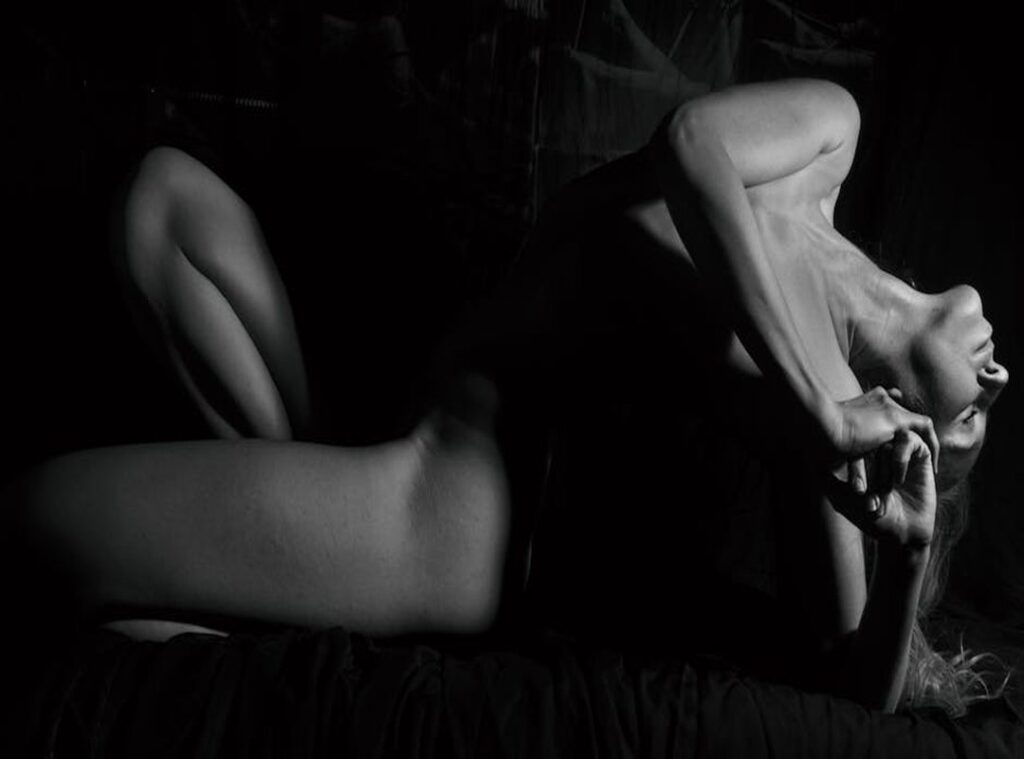
Take juliana gattas nude for example. In this photograph, she uses a rich, deep blue background to highlight the subject. The high-contrast lighting accentuates the curves and shadows, creating a dramatic and almost otherworldly feel.
The surreal element here is the way she incorporates unexpected, almost ethereal, elements into the composition, making the image both striking and thought-provoking.
Another standout piece is Reflections. Here, she uses a symmetrical composition, but with a twist. The reflection in the water is slightly off, adding an element of the uncanny.
The use of soft, warm lighting contrasts with the cool, reflective surface, creating a dreamy, almost haunting atmosphere.
In Cityscape, she takes a familiar urban setting and turns it into something surreal. The colors are exaggerated, and the lighting is so high-contrast that the buildings look almost like they’re glowing. The shadows are deep and mysterious, adding a layer of intrigue to the scene.
These examples show how she consistently uses color, light, and surreal elements to create a unique and memorable style.
Exploring Identity and Performance Through the Lens

I’ve always been fascinated by how we present ourselves to the world. Constructed identity and performance are at the heart of my work.
My images often blur the line between candid moments and meticulously staged scenes. This makes you question what’s real and what’s just for show.
Self-portraits and portraits of fellow artists are a big part of my portfolio. I use them to deconstruct the public ‘persona’ versus the private self.
Themes of pop culture, kitsch, and nostalgia in my photos echo the aesthetic and lyrical content of Miranda!’s music. It’s all about capturing that feeling of a bygone era.
My photography is a form of visual commentary on the nature of fame, image-making, and the performance of everyday life.
I think about how these themes will evolve. As technology advances, the lines between reality and performance will get even blurrier.
We might see more augmented reality and digital manipulation in everyday life. This could change how we understand and present our identities.
The future of photography might be more interactive and immersive. Imagine walking through a gallery where the images come to life.
I also wonder how the rise of AI and deepfakes will impact our perception of authenticity. Will we still value the candid, unfiltered moment? Or will we embrace the perfectly crafted, yet artificial, image?
One thing is for sure: the conversation around identity and performance is only going to get more complex. And I’m excited to see where it takes us.
(Biohunt2000)[https://biohunt2000.com] is a great place to explore more about these topics. Check out their official site for some fascinating insights.
A Symbiotic Vision: When Music and Photography Collide
When you look at Miranda!’s album covers, you can’t help but notice a distinct visual style. It’s not just a coincidence. The band’s lead, who is also a photographer, has a hand in every aspect of their visual identity.
Take the “Midnight Echoes” album cover, for example. The moody, high-contrast black and white imagery is a direct reflection of her photographic style. You can see it in the way the shadows play across the faces and the stark, almost haunting, compositions.
In music videos like “Silent Whispers,” the same aesthetic carries through. The use of dramatic lighting and intimate close-ups creates a cohesive and immersive experience. It’s like the music and visuals are telling the same story, just in different languages.
- Her dual roles as musician and photographer create a unique, multi-sensory universe.
- This synergy deepens the audience’s connection to the band’s art.
- Understanding her personal photography enhances the appreciation of the band’s visual storytelling.
The juliana gattas nude series, for instance, showcases her ability to capture raw, unfiltered moments. This rawness translates into the band’s promotional campaigns, making them feel more authentic and relatable.
So, next time you’re flipping through Miranda!’s album covers or watching one of their music videos, take a moment to appreciate the layers of artistry. It’s not just about the music; it’s a full sensory experience.
The Complete Picture: Appreciating Gattas’s Artistry
Juliana Gattas is known for her vibrant color, surreal compositions, and a deep exploration of identity in her artistic photography. Her visual art is not just a hobby; it is an essential, integral component of her overall creative expression.
Her photography provides fans and art lovers with a new, intimate, and vital perspective on an artist they thought they knew. juliana gattas nude work invites viewers to see beyond the surface, revealing layers of emotion and personal narrative.
Explore her unique vision by seeking out her portfolio on social media or gallery websites.
 Ask Michelle Etheridgeninos how they got into immersive worlds and character design and you'll probably get a longer answer than you expected. The short version: Michelle started doing it, got genuinely hooked, and at some point realized they had accumulated enough hard-won knowledge that it would be a waste not to share it. So they started writing.
What makes Michelle worth reading is that they skips the obvious stuff. Nobody needs another surface-level take on Immersive Worlds and Character Design, Level-Up Progression Tactics, Curious Insights. What readers actually want is the nuance — the part that only becomes clear after you've made a few mistakes and figured out why. That's the territory Michelle operates in. The writing is direct, occasionally blunt, and always built around what's actually true rather than what sounds good in an article. They has little patience for filler, which means they's pieces tend to be denser with real information than the average post on the same subject.
Michelle doesn't write to impress anyone. They writes because they has things to say that they genuinely thinks people should hear. That motivation — basic as it sounds — produces something noticeably different from content written for clicks or word count. Readers pick up on it. The comments on Michelle's work tend to reflect that.
Ask Michelle Etheridgeninos how they got into immersive worlds and character design and you'll probably get a longer answer than you expected. The short version: Michelle started doing it, got genuinely hooked, and at some point realized they had accumulated enough hard-won knowledge that it would be a waste not to share it. So they started writing.
What makes Michelle worth reading is that they skips the obvious stuff. Nobody needs another surface-level take on Immersive Worlds and Character Design, Level-Up Progression Tactics, Curious Insights. What readers actually want is the nuance — the part that only becomes clear after you've made a few mistakes and figured out why. That's the territory Michelle operates in. The writing is direct, occasionally blunt, and always built around what's actually true rather than what sounds good in an article. They has little patience for filler, which means they's pieces tend to be denser with real information than the average post on the same subject.
Michelle doesn't write to impress anyone. They writes because they has things to say that they genuinely thinks people should hear. That motivation — basic as it sounds — produces something noticeably different from content written for clicks or word count. Readers pick up on it. The comments on Michelle's work tend to reflect that.