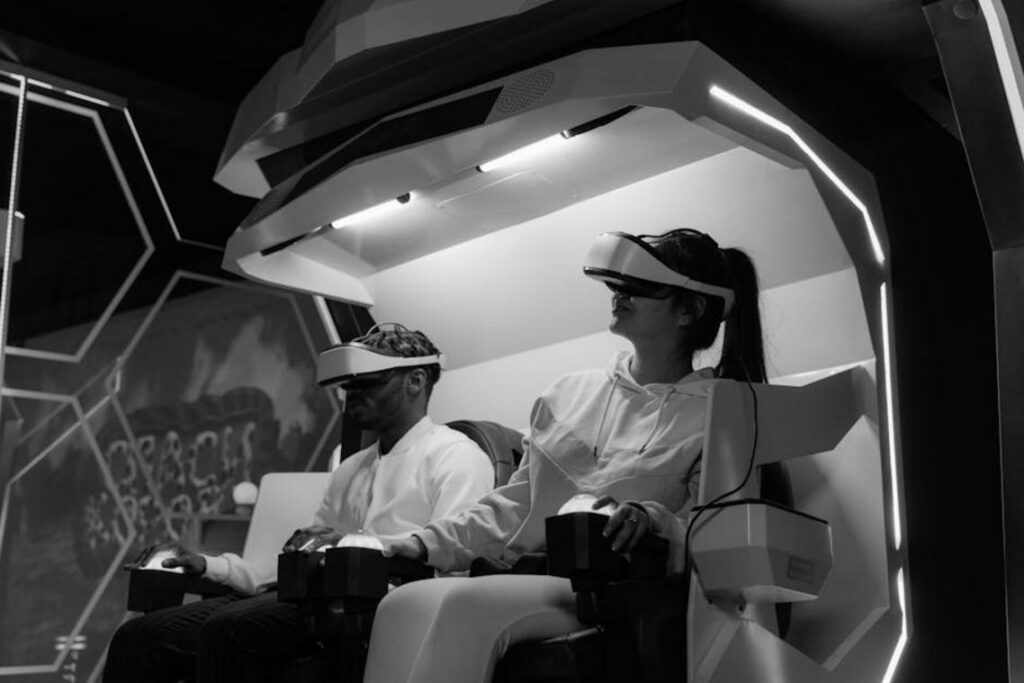
Gaming is evolving faster than ever, blending deeper core mechanics, living worlds, and cutting-edge innovations like cloud gaming technology into experiences that feel almost limitless. If you’re here, you’re likely looking to understand how these shifts are reshaping gameplay—how bio-engineered creatures, smarter progression systems, and immersive environments are changing the way we play and compete.
This article explores the hottest developments in modern gaming, breaking down the mechanics behind today’s most engaging titles and the strategies players are using to level up efficiently. From adaptive enemy design to progression loops that reward mastery, we focus on what actually enhances player performance and immersion.
Our insights are built on extensive gameplay analysis, trend tracking across the industry, and deep evaluation of emerging systems that define next-generation experiences. Whether you’re a competitive player or an exploration-driven adventurer, you’ll gain a clearer understanding of the mechanics and innovations shaping the future of gaming.
Gamers know the grind: every new AAA launch feels like a toll booth demanding a shinier GPU or faster CPU. Your rig becomes a treadmill—run hard, spend harder, repeat. Some argue upgrades are part of the hobby, like tuning a race car. Fair. But not everyone wants a garage full of parts just to play.
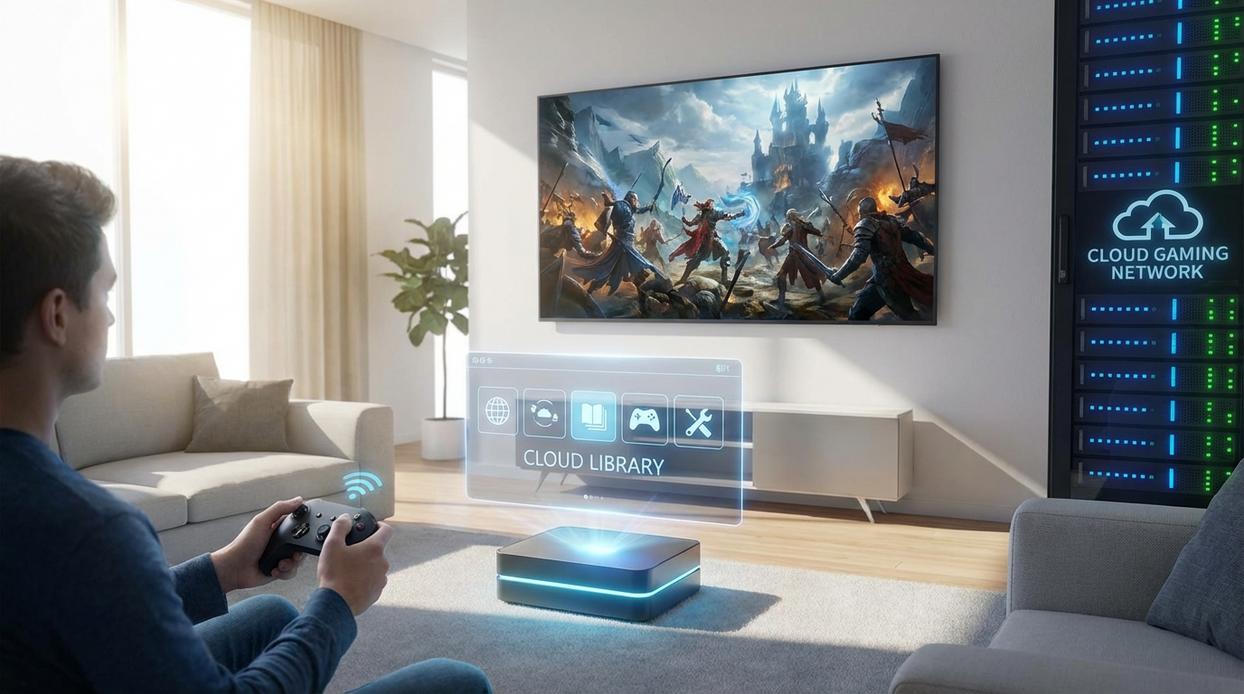
Enter cloud gaming technology, where your device acts like a screen to a distant supercomputer. Think Netflix, but interactive.
- Processing moves off your desk
- Updates happen server-side
You’ll see whether this shift can truly replace your high-end rig and deepen immersion for you.
How Streaming Redefines the Digital Battlefield
At its core, cloud gaming technology flips the traditional model on its head. Instead of your console or PC doing the heavy lifting, your button press travels to a remote data center. There, a powerful server runs the game, renders the graphics, and streams the video back to your screen in milliseconds. Think of it like Netflix—but interactive (and far less forgiving if you miss a dodge roll).
Now, let’s tackle the big worry: input lag. Network latency is the time it takes for your command to travel to the server and back. Display lag, on the other hand, is how long your screen takes to show the action. Critics argue this double delay makes competitive play impossible. And yes, early versions struggled. However, modern fiber networks and regionally distributed data centers have dramatically reduced latency—often below 20–40 milliseconds in ideal conditions (NVIDIA; Microsoft Azure data reports). For most players, that’s comparable to playing on a mid-range TV at home.
So how does this compare to local hardware? Traditional gaming (A) demands expensive GPUs and constant upgrades. Streaming (B) lets you run a graphically intense RPG on an old laptop or even a smartphone. One relies on silicon under your desk; the other taps server blades—modular hardware units packed with GPUs—optimized through GPU virtualization, meaning multiple players share one physical graphics card efficiently.
Meanwhile, adaptive bitrate streaming automatically adjusts video quality to match your connection, preventing stutters.
Pro tip: use wired internet when possible—it trims precious milliseconds.
In short, it’s high-end performance without the high-end box (Tony Stark would approve).
The Impact on Immersive Worlds & Game Design
Unlocking Graphical Fidelity for Everyone
For years, “ultra settings” were reserved for players with expensive GPUs and custom cooling rigs (the kind that sound like a jet engine at takeoff). Now, cloud gaming technology shifts heavy rendering to remote servers, meaning ray tracing, 4K textures, and advanced lighting become accessible on modest devices. In practical terms, that’s like streaming a blockbuster instead of building a private theater.
Some critics argue visual fidelity doesn’t equal better gameplay—and they’re right, to a point. Graphics alone won’t fix weak mechanics. However, studies show visual immersion significantly enhances player engagement and emotional response (Frontiers in Psychology, 2020). My recommendation: prioritize platforms that consistently deliver stable high-resolution performance, not just flashy marketing claims.
A New Frontier for Developers
Offloading processing power to the cloud allows developers to design denser cities, smarter AI (artificial intelligence that adapts to player behavior), and persistent worlds—game environments that continue evolving even when you log off. Imagine a survival world where ecosystems shift dynamically, not on scripted timers.
If you’re choosing what to play next, look for titles that explicitly leverage large-scale simulations and persistent states. These are signals that developers are building forward, not sideways.
The ‘Instant On’ Experience
No downloads. No 40GB patches. Games launch ready to play. That frictionless access increases playtime and lowers abandonment rates (Newzoo, 2023). If convenience matters to you, test services offering automatic updates and fast session resumes.
Cross-Platform Progression That Fits Real Life
Start on your TV. Continue on your phone during a commute. Seamless cross-progression keeps momentum alive. For a broader look at where this is heading, explore top gaming industry trends shaping 2026. Choose ecosystems that support true cross-device saves—not partial compatibility.
A Strategic Breakdown of the Major Platforms
Cloud gaming can feel complicated, but the core ideas are simple once you break them down. Instead of running a game on your console or PC, remote servers stream it to you using cloud gaming technology. Think of it like Netflix—but interactive.
The “Bring Your Own Games” Model
This model connects to game libraries you already own on platforms like Steam or the Epic Games Store. In plain terms, you’re renting powerful hardware in the sky, not buying games again. That’s the biggest advantage: no double-dipping on purchases (your wallet breathes a sigh of relief).
Critics argue performance can vary depending on internet stability—and they’re right. If your connection drops, so does your dragon mid-flight. But if you already have a large PC library, this approach preserves your investment.
Key Benefit: Ownership stays with you.
The “All-You-Can-Play” Subscription Model
Here, you pay a monthly fee for access to a rotating catalog. It’s curated—meaning the platform selects the available titles. This lowers upfront cost and encourages experimentation.
Skeptics point out you lose access if a game leaves the service. True. But for players who enjoy sampling genres (like bouncing from roguelikes to RPGs), it’s high variety at predictable cost.
Key Performance Metrics to Compare
When choosing a service, focus on:
- Resolution: 1080p vs 4K (image clarity)
- Frame Rate: 60 vs 120 FPS (smoothness of motion)
- Server Locations: Closer servers reduce latency (input delay)
- Data Consumption: Higher quality = more bandwidth used
Beyond the Big Three
Emerging platforms target niche audiences—retro fans, indie explorers, or competitive players seeking ultra-low latency. They may lack massive libraries but often innovate faster (sometimes like scrappy side characters who steal the spotlight).
Is Your Setup Ready for the Cloud Gaming Leap?
The non-negotiable requirement? Fast, stable internet. For smooth 1080p streaming, aim for at least 25 Mbps. Want crisp 4K? Target 45–50 Mbps consistently. According to the FCC, broadband starts at 25 Mbps—but cloud gaming technology demands more than “just enough” if you want zero stutter (and no rage-quits).
A wired Ethernet connection is heavily preferred. Why? Lower latency and fewer random drops. Wi-Fi can work, especially on the 5GHz band, but walls, interference, and distance can spike ping when you least expect it. (Yes, even mid-boss fight.)
Your controller matters too. Using a compatible, low-latency gamepad makes gameplay feel nearly identical to local hardware—no awkward input delay.
Action step:
- Run a free speed test
- Check your ping to a nearby server (under 20ms is ideal)
Dial this in, and you unlock smoother performance, sharper visuals, and the freedom to play anywhere—without expensive hardware upgrades.
Level Up Your Strategy in a Rapidly Evolving Gaming World
You came here to better understand the mechanics, strategies, and evolving systems shaping today’s gaming experiences—and now you have the insight to move forward with confidence. From mastering progression paths to adapting to cloud gaming technology, you’re better equipped to stay competitive in worlds that refuse to stand still.
The real challenge isn’t just playing the game—it’s keeping up with shifting metas, smarter AI, bio-engineered creatures, and increasingly complex level-up systems. Falling behind means grinding harder for smaller rewards while others surge ahead with optimized builds and sharper tactics.
Now it’s your move. Dive deeper into advanced strategy breakdowns, explore emerging mechanics, and stay ahead of evolving trends before they dominate the meta. Join thousands of dedicated players who rely on expert insights to sharpen their edge, conquer tougher worlds, and level up faster. Don’t just play—master the game.