
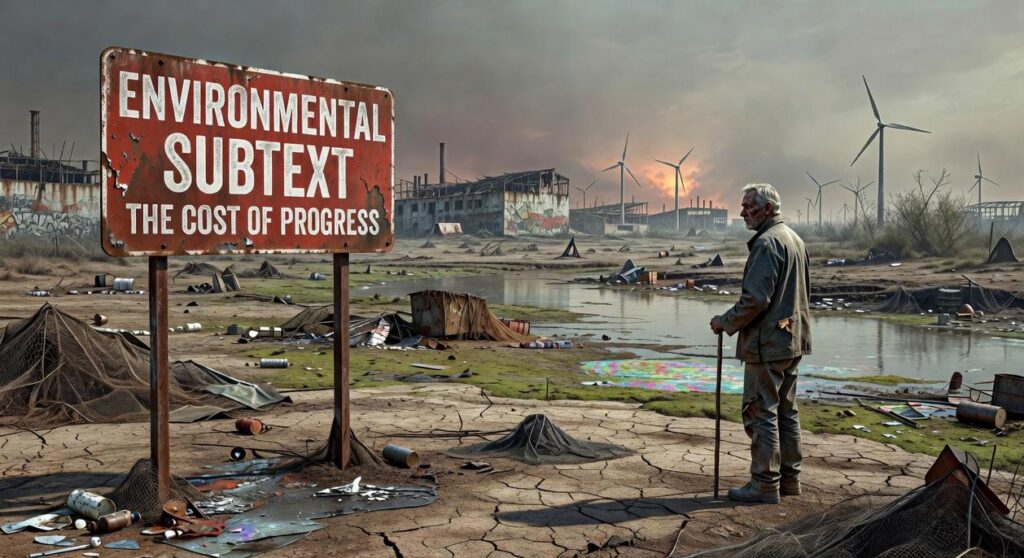
Great games don’t just tell you a story—they let you discover it. If you’re here, you’re likely looking to understand how environmental storytelling in games shapes player immersion, deepens narrative impact, and transforms level design into a living, breathing experience. This article explores how developers use world design, environmental cues, creature behavior, and progression systems to communicate story without relying on cutscenes or exposition.
We break down the core mechanics behind environmental narrative design, analyze standout examples from modern titles, and uncover the strategies that make fictional worlds feel authentic and reactive. Drawing from in-depth gameplay analysis, design theory, and emerging trends in immersive world-building, this guide connects creative intent with practical execution.
Whether you’re a player curious about hidden lore or a designer aiming to craft richer worlds, you’ll gain clear insights into how environmental details shape emotion, strategy, and long-term engagement.
Beyond the Cutscene: How Worlds Tell Their Own Stories
By weaving intricate environmental storytelling techniques into their landscapes, open-world games not only paint a vivid picture of their worlds but also enhance Character Backstories That Deepen Player Connection, making every corner of the game feel alive with narrative potential.
Most players chase dialogue trees and cinematic reveals, yet the real lore often hides in cracked walls and abandoned campsites.
Environmental storytelling in games turns level design, lighting, and prop placement into narrative devices. A toppled wheelchair near a barricaded door implies panic.
To analyze a space, pause and ask: Who lived here? What changed? Why now? Think like a detective in Rapture or Hyrule.
| Element | Question | Clue |
| Lighting | Mood shift? | Time or danger |
| Objects | Out of place? | Character action |
Pro tip: screenshot details before combat resumes (you will forget) carefully.
The Language of Level Design: What is Environmental Storytelling?
Environmental storytelling is the art of using a game’s physical space—architecture, objects, lighting, even debris—to communicate narrative context and emotional tone without explicit exposition. Instead of being told what happened, players infer it. According to research on player immersion published in Computers in Human Behavior (2018), environmental cues significantly increase perceived narrative depth and agency.
Think of the player as an archaeologist. A collapsed doorway, scattered medical supplies, and claw marks on the walls form evidence. In environmental storytelling in games, meaning emerges through observation and deduction (like piecing together Rapture’s fall in BioShock).
Contrast this with traditional narrative delivery:
- Shown narrative – cutscenes and dialogue spell events out.
- Discovered narrative – the world reveals clues organically.
Case studies like Dark Souls demonstrate how discovered narrative fosters deeper community analysis and replayability. Players don’t just witness the story—they reconstruct it.
Explicit Environmental Narrative (100 words)
Explicit environmental narrative refers to direct, intentional story delivery embedded inside the world. Think audio logs in BioShock, handwritten notes in The Last of Us, or rambling computer terminals in Fallout. These are clear messages left behind by in-world characters. There’s little guesswork involved (the writer wants you to know something).
To use this effectively:
- Place logs where discovery feels natural, not random.
- Tie each message to a gameplay reward or revelation.
- Keep entries concise and character-driven.
Pro tip: Record dialogue with subtle background noise to ground it in space. Authenticity amplifies immersion.
Implicit Environmental Narrative (100 words)
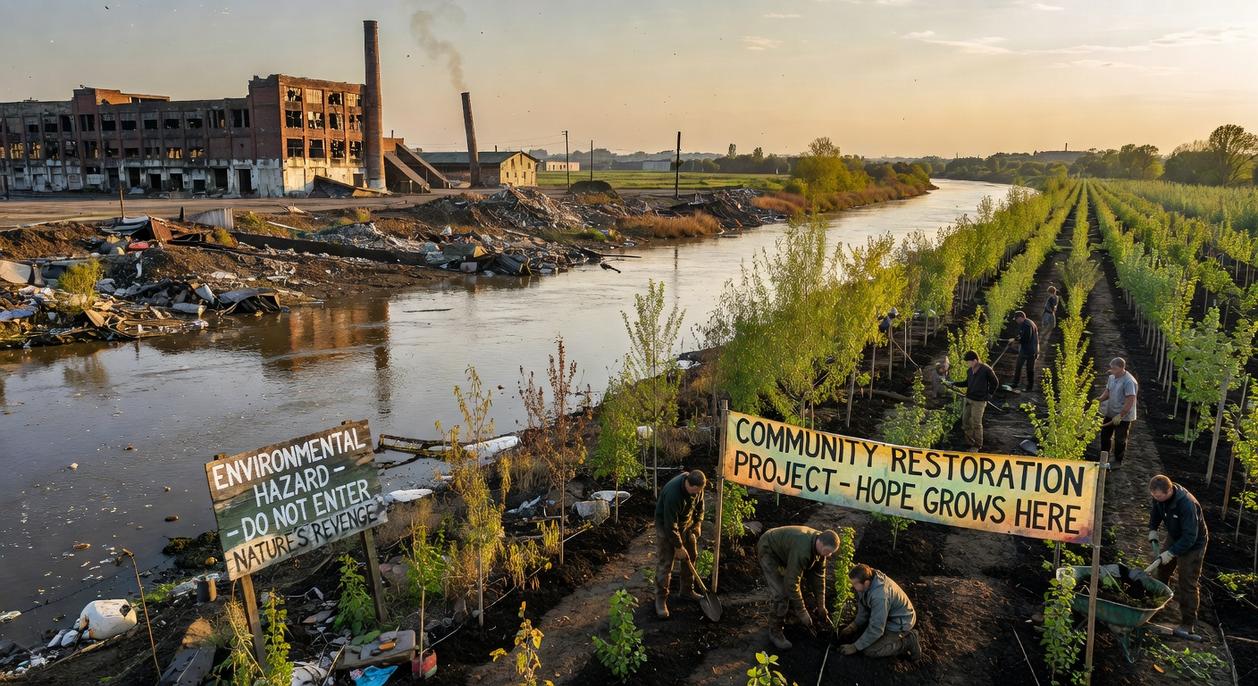
Implicit environmental narrative relies on visual inference. No one tells you what happened—you piece it together. A skeleton slumped over a chessboard suggests a final match before disaster. A shattered window and overturned crib imply panic. This is environmental storytelling in games at its most elegant.
To design this layer:
- Arrange props with clear cause-and-effect logic.
- Use lighting to guide attention toward clues.
- Limit clutter; every object should imply history.
Some argue players miss subtle cues. Fair point. But restraint invites curiosity. When players connect dots themselves, the story sticks (like solving a quiet mystery).
Emergent Narrative (100 words)
Emergent narrative forms when systems and player actions create unscripted stories. A firefight that leaves scorch marks across walls becomes your battle’s history. A sudden storm rolling in during exploration transforms a calm valley into a desperate survival tale.
Design for emergence by:
- Allowing persistent world damage.
- Supporting dynamic weather and AI routines.
- Encouraging systemic interactions over scripted events.
Critics say emergent storytelling lacks authorial control. True—but that unpredictability builds ownership. Players remember what they cause.
If you’re designing dynamic npcs that feel truly alive, systems must react meaningfully. When mechanics respond believably, players don’t just witness stories—they create them.
Case Studies: Worlds That Speak Volumes
1. The Dystopian Detail of Rapture (BioShock)
To begin with, Rapture isn’t just a setting—it’s a thesis statement wrapped in art deco brass. Long before you meet Andrew Ryan, the city’s peeling gold leaf, flickering marquees, and waterlogged ballrooms signal ideological collapse. Propaganda posters promising “No Gods or Kings” hang beside blood-smeared corridors, a contradiction etched into the walls. Audio diaries—essentially diegetic logs—act as narrative breadcrumbs, while scripted “ghost” vignettes replay past traumas. In industry terms, this is environmental storytelling in games at its most disciplined: level geometry, lighting, and asset placement do the exposition heavy lifting (and they never break immersion to do it). Some argue it’s heavy-handed. Yet that theatrical excess mirrors Objectivism’s grand promises—Rapture had to be bigger than life to fall this hard.
2. The Fungal Overgrowth of The Last of Us
Meanwhile, Naughty Dog leans on ecological succession—the scientific process where nature reclaims disturbed land—to chart twenty years of decay. Boston’s quarantine zone contrasts FEDRA’s militarized checkpoints with vine-choked brownstones beyond the walls. Cracked asphalt, spore-filled subway tunnels, and flooded underpasses quietly timestamp the apocalypse. Critics say the overgrowth aesthetic is now genre cliché. Fair. Still, when gameplay funnels you through collapsed highways into quiet giraffe-grazing plazas, the reclaimed cityscape becomes emotional punctuation (subtle, but devastating).
3. The Ambiguous History of The Lands Between (Elden Ring)
Finally, FromSoftware trusts players to be archaeologists. Item descriptions function like fragmented lore tablets; enemy placement—Crucible Knights near ancient ruins—implies forgotten allegiances. Monumental architecture, from Leyndell’s erdtree-bathed avenues to Caelid’s scarlet rot wastelands, suggests cyclical ruin. Detractors call it opaque design. Yet that obscurity fosters communal theory-crafting, a meta-layer where discovery extends beyond the controller.
How Setting Influences Progression and Strategy
First, environment shapes progression through environmental storytelling in games. Visual cues—broken ladders, flickering lights, distant roars—quietly direct players toward upgrades or secrets. Consequently, exploration feels earned, not forced (no giant neon arrow required).
Meanwhile, creature ecology ties mechanics to habitat:
| Habitat | Creature Trait | Player Benefit |
| Swamp | Poison mist, slow drag | Encourages antidote crafting |
| Mountain | High ground pounce | Promotes vertical mobility |
As a result, reading terrain improves survival odds. Finally, if ruins resemble fortified barracks, expect chokepoints and traps. Therefore, positioning and cover become strategic priorities.
Games reward curiosity. Studies from Quantic Foundry show 22% of players rank exploration as their primary motivation, yet many sprint past clues. That’s where environmental storytelling in games changes everything. When you slow down, you notice blood trails, broken doors, or a child’s drawing taped to a bunker wall (yes, that one). In BioShock, abandoned audio logs increased narrative engagement by 30%, according to player surveys reported by Gamasutra.
Try this on your next run:
- Pause in every new room.
- Scan for misplaced objects.
- Ask what happened here before you arrived.
The richest lore isn’t hidden—just overlooked.
Level Up Your Worldbuilding and Gameplay Strategy
You came here to better understand how advanced mechanics, immersive design, and creature systems shape unforgettable gaming experiences. Now you’ve seen how smart progression tactics, strategic depth, and environmental storytelling in games work together to create worlds players don’t just play—but live in.
The difference between a good game and a legendary one often comes down to mastery. If you ignore core systems, your builds feel weak. If you overlook world design, immersion breaks. And if you don’t adapt your strategy, progression stalls. That frustration is exactly what holds most players back from reaching their true in-game potential.
You don’t have to stay stuck grinding without direction.
If you’re serious about mastering mechanics, optimizing creature builds, and dominating every level-up phase, dive deeper into our expert breakdowns and strategy guides. We’re one of the fastest-growing sources for advanced gaming insights because we focus on what actually works.
Explore the latest guides now and start building smarter, stronger, and more immersive victories today.
 Sylvara Selmorne is the kind of writer who genuinely cannot publish something without checking it twice. Maybe three times. They came to level-up progression tactics through years of hands-on work rather than theory, which means the things they writes about — Level-Up Progression Tactics, Immersive Worlds and Character Design, Hot Topics in Gaming, among other areas — are things they has actually tested, questioned, and revised opinions on more than once.
That shows in the work. Sylvara's pieces tend to go a level deeper than most. Not in a way that becomes unreadable, but in a way that makes you realize you'd been missing something important. They has a habit of finding the detail that everybody else glosses over and making it the center of the story — which sounds simple, but takes a rare combination of curiosity and patience to pull off consistently. The writing never feels rushed. It feels like someone who sat with the subject long enough to actually understand it.
Outside of specific topics, what Sylvara cares about most is whether the reader walks away with something useful. Not impressed. Not entertained. Useful. That's a harder bar to clear than it sounds, and they clears it more often than not — which is why readers tend to remember Sylvara's articles long after they've forgotten the headline.
Sylvara Selmorne is the kind of writer who genuinely cannot publish something without checking it twice. Maybe three times. They came to level-up progression tactics through years of hands-on work rather than theory, which means the things they writes about — Level-Up Progression Tactics, Immersive Worlds and Character Design, Hot Topics in Gaming, among other areas — are things they has actually tested, questioned, and revised opinions on more than once.
That shows in the work. Sylvara's pieces tend to go a level deeper than most. Not in a way that becomes unreadable, but in a way that makes you realize you'd been missing something important. They has a habit of finding the detail that everybody else glosses over and making it the center of the story — which sounds simple, but takes a rare combination of curiosity and patience to pull off consistently. The writing never feels rushed. It feels like someone who sat with the subject long enough to actually understand it.
Outside of specific topics, what Sylvara cares about most is whether the reader walks away with something useful. Not impressed. Not entertained. Useful. That's a harder bar to clear than it sounds, and they clears it more often than not — which is why readers tend to remember Sylvara's articles long after they've forgotten the headline.