
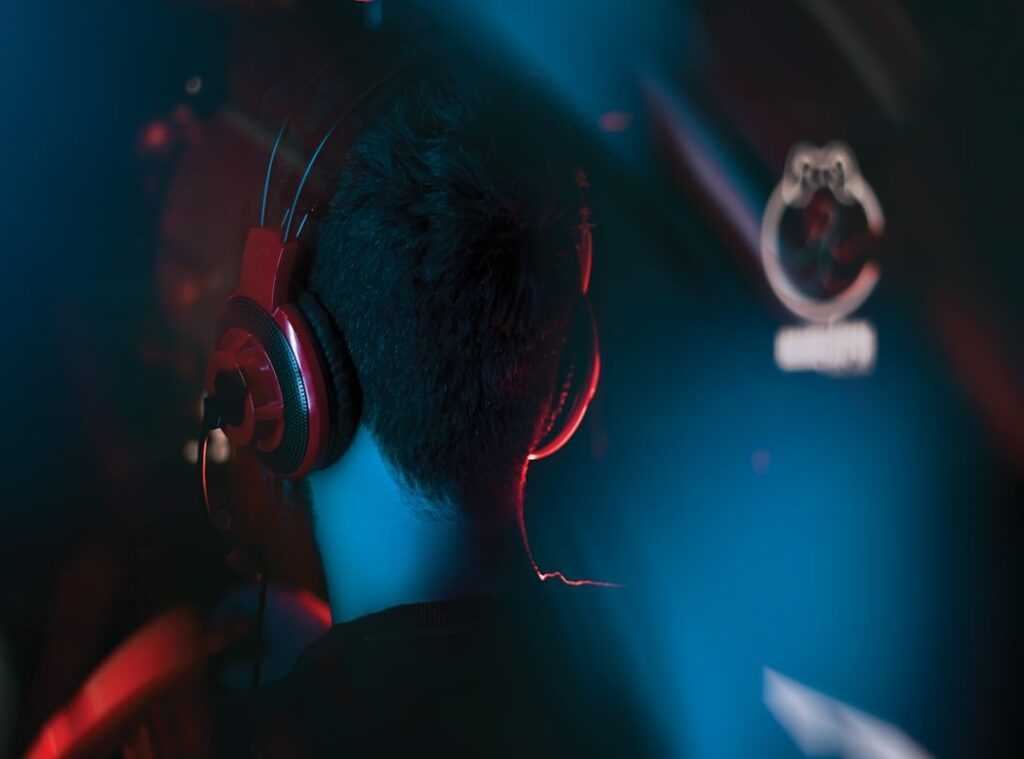
Ever felt your heart race in a game, not because of what you see but because of a sound you can’t quite place? That’s the power of sound. Yet, too many gamers overlook audio, sinking cash into visuals while sticking with basic headphones.
I’ve been gaming for years and let me tell you, game immersion soundtracks aren’t just fancy add-ons. They’re important. Real sound makes the world feel alive, giving you that edge you didn’t know you were missing.
In this article, I’ll break down immersive audio experiences, the tech behind them, and how easy it is to upgrade your setup. You deserve the full experience and trust me, you’ll notice the difference. to why great audio transforms gaming worlds, making them more real and thrilling.
Immersive Audio: What’s All the Buzz?
Immersive audio is like tricking your brain into thinking you’re inside the game world just through sound. It’s wild, right? I’ve seen debates about whether it’s worth the hype.
Spoiler: it is.
Let’s break it down. First, spatial and directional audio. This isn’t just about sounds coming from the left or right.
It’s about pinpointing them in 3D space (above,) below, behind. Imagine hearing a drone whirring overhead while a guard’s footsteps echo on the floor below. That’s immersive.
Next up: changing range and detail. This is the difference between quiet and loud sounds. Picture this (you’re) sneaking through a forest.
You hear the rustle of leaves in the breeze. Suddenly, a nearby explosion rocks your world. That changing range?
It makes everything feel real.
Then there’s environmental acoustics. This is how sound interacts with the game’s environment. Your character’s voice echoes in a vast cavern but sounds flat in a small, carpeted room.
It’s like magic (but it’s not).
Some folks argue that you don’t need all this fancy audio for a great gaming experience. Maybe. But I’d say those folks haven’t experienced virtual reality immersive experiences that truly transport you somewhere else.
Pro tip: Invest in a decent headset. The right gear makes a world of difference.
Game immersion soundtracks are next level when paired with immersive audio. Ever felt like you’re living a movie? That’s the aim.
It’s not just gaming. It’s entering a whole new world.
The Tech Behind the Sound: Gaming Audio Evolution
Sound in gaming has come a long way. Remember the days of stereo? Just left and right channels.
It was basic, flat, and did the job back when 8-bit was king. But let’s be honest, it was about as immersive as listening to a cassette tape.
Suddenly, you were in the action. An explosion behind you felt like it was actually behind you. It changed everything.
Then came Surround Sound (5.1/7.1). This was like stepping into a movie theater, with speakers placed all around you. Front, center, sides, and back.
But the real game changer? 3D Spatial Audio. This isn’t just moving sound around you. It’s treating sounds as objects in a 3D space.
Imagine a bubble around your head where every sound can be placed precisely. It’s not just left, right, front, or back anymore. It’s above and below, bringing true verticality to the experience.
Technologies like Dolby Atmos, DTS:X, and the PS5’s Tempest Engine are all designed for this. They create that 3D sound bubble, making your gaming world feel alive. You hear footsteps from above or rain falling all around.
It’s like getting lost in another world, and that’s the point.
Why does this matter? Simple. It amplifies immersion.
When you’re deep in a game with a soundtrack that’s perfectly aligned, you forget everything else. magic happens. And if you’re into game immersion soundtracks, these technologies are your best friends. They boost the experience, making every play session unforgettable.
Pro tip: Invest in a good pair of headphones or a sound system that supports these technologies. Your ears will thank you. Plus, you get to enjoy all those subtle audio cues that make or break your gaming plan.
Sound as Story: The Artistry of Audio
When we talk about game immersion soundtracks, we’re not just discussing technology. We’re talking about the artistry of sound design. It’s where the real magic happens.

Sound tells a story, providing information without a single visual cue. Consider this: the sound of distant sirens paints a picture of a city’s chaos. Before you even see it, you know the state of the city.
Now imagine hearing the distinct, chitinous clicks of a bio-engineered creature skittering across a metal vent above your head. You know what it is. You know where it is.
And you know you’re in danger. All without seeing it. That’s how solid sound can be in storytelling.
Emotion Through Soundtracks
Sound design affects emotion deeply. A game’s musical score can build tension, signal safety, or create a sense of wonder. Think about how a rising crescendo can make your heart race.
Or how a soft melody can make you feel safe after a battle. These sounds are your emotional guide through the virtual world. They pull you in, make you feel.
Character sounds, like the jingle of armor or the specific footstep sound, make characters feel grounded and real. It’s these subtle details that breathe life into them. Without these, a character might feel hollow.
Want to dive deeper into how sound and character design come together? Learn more.
In the end, sound isn’t just an accessory. It’s the unsung hero of immersive worlds. So next time you’re playing your favorite game, listen closely.
The story is there, hidden in every note and noise, just waiting for you to discover it.
Get the Most Out of Your Sound: Audio Tips for Gamers
Let’s talk about sound. Great audio can make a game, right? Headphones are Key. Sure, a speaker system is nice, but headphones? They’re your secret weapon for immersive audio.
No room interference, just pure sound beamed directly into your ears.
Not about price tags either. Forget the $300 headsets; most gaming headsets today can handle spatial audio just fine. The trick?
Settings. the magic happens. Check your console or PC settings. Look for options like Windows Sonic, Dolby Atmos, or 3D Audio.
Trust me, it’s a game-changer.
Next, dive into your game’s audio settings. Pick the right preset (usually labeled ‘Headphones’ or ‘3D’). You might be thinking, does this really make a difference?
Absolutely. But don’t take my word for it. Test it yourself in a familiar game.
Notice how the soundtracks change, how the game immersion soundtracks pull you in deeper.
Pro tip: Stick to what feels right. Sometimes, less is more, even in tech. Change those settings, play around a bit.
You’ll hear things you didn’t expect (and your friends will wonder how you always know when they’re sneaking up).
Hear the Game, Feel the Game
You ever played in silence? It’s like missing half the magic. Without good sound, you’re not really in the game. Game immersion soundtracks aren’t just noise; they’re the secret sauce.
They’re what turn a regular session into an epic adventure.
Next time you dive into your favorite game, toss on some headphones. Close your eyes for a moment. Listen.
Feel the world around you. You’ll hear the whispers of hidden stories, the rumble of impending battles.
Want more of this magic? Make a few tweaks, adjust your settings. You’ll be amazed at what you’ve missed.
 Ask Michelle Etheridgeninos how they got into immersive worlds and character design and you'll probably get a longer answer than you expected. The short version: Michelle started doing it, got genuinely hooked, and at some point realized they had accumulated enough hard-won knowledge that it would be a waste not to share it. So they started writing.
What makes Michelle worth reading is that they skips the obvious stuff. Nobody needs another surface-level take on Immersive Worlds and Character Design, Level-Up Progression Tactics, Curious Insights. What readers actually want is the nuance — the part that only becomes clear after you've made a few mistakes and figured out why. That's the territory Michelle operates in. The writing is direct, occasionally blunt, and always built around what's actually true rather than what sounds good in an article. They has little patience for filler, which means they's pieces tend to be denser with real information than the average post on the same subject.
Michelle doesn't write to impress anyone. They writes because they has things to say that they genuinely thinks people should hear. That motivation — basic as it sounds — produces something noticeably different from content written for clicks or word count. Readers pick up on it. The comments on Michelle's work tend to reflect that.
Ask Michelle Etheridgeninos how they got into immersive worlds and character design and you'll probably get a longer answer than you expected. The short version: Michelle started doing it, got genuinely hooked, and at some point realized they had accumulated enough hard-won knowledge that it would be a waste not to share it. So they started writing.
What makes Michelle worth reading is that they skips the obvious stuff. Nobody needs another surface-level take on Immersive Worlds and Character Design, Level-Up Progression Tactics, Curious Insights. What readers actually want is the nuance — the part that only becomes clear after you've made a few mistakes and figured out why. That's the territory Michelle operates in. The writing is direct, occasionally blunt, and always built around what's actually true rather than what sounds good in an article. They has little patience for filler, which means they's pieces tend to be denser with real information than the average post on the same subject.
Michelle doesn't write to impress anyone. They writes because they has things to say that they genuinely thinks people should hear. That motivation — basic as it sounds — produces something noticeably different from content written for clicks or word count. Readers pick up on it. The comments on Michelle's work tend to reflect that.