
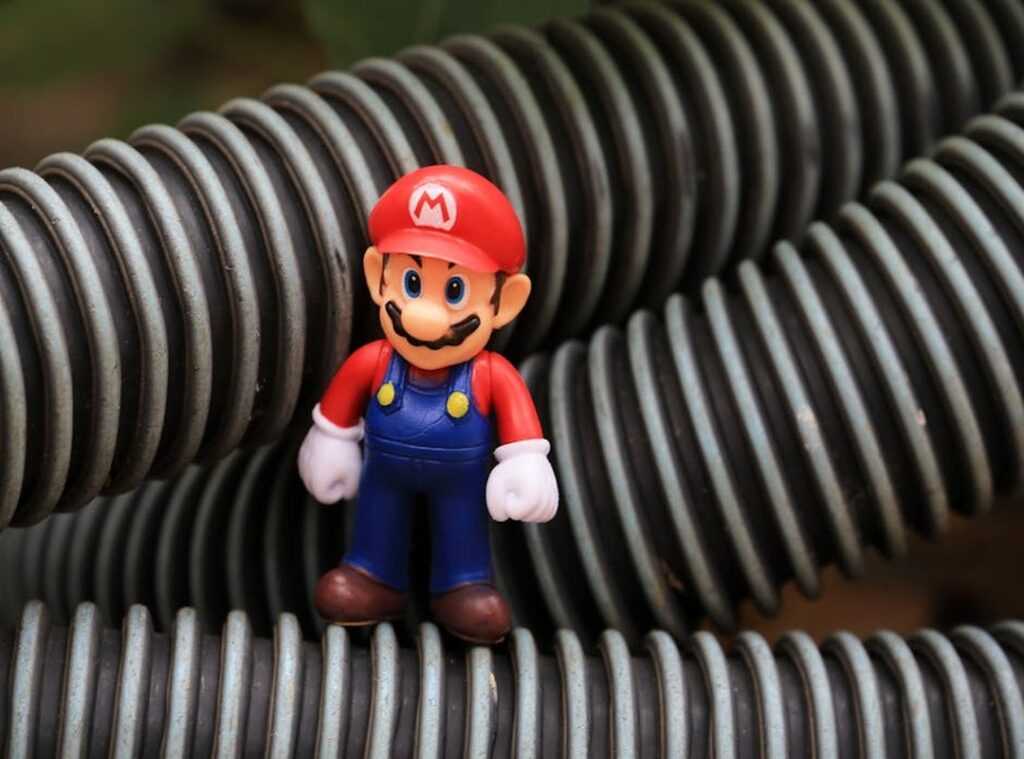
Staring at that blank character creation screen in RPGs is like facing a canvas with no clue. You’re excited, right? But there’s pressure too.
Many players end up with characters that have impressive stats but lack depth. Ever felt that? Trust me, I’ve spent countless hours crafting (and just as quickly deleting) such soulless figures across dozens of RPGs.
What’s the secret for character design RPGs? It’s not just about numbers. I promise you a simple, step-by-step method.
You’ll create a character you love to play, not just a collection of stats. Ready to dive in and bring your legend to life?
The Blueprint: Building Your Character’s Core Concept
Every great character begins with a “hook.” Forget stats for a moment. Think about it: who cares about numbers if your character’s soul is missing? A one-sentence concept like “a cynical healer who has seen too much war” or “an overly optimistic warrior from a sheltered village seeing the world for the first time” gives life to your character.
These hooks are gold. They’re the spark that ignites your imagination and guides the character’s journey (nothing) worse than a hollow shell in character design RPGs. Trust me, the core traits you pick will shape everything.
Three should do it. Brave, impulsive, secretly insecure? Boom.
You’ve got a system.
But here’s the kicker: motivation. What does your character want more than anything? This isn’t just a nice-to-have; it’s important.
As you’re crafting this story, let that singular goal drive decisions. Want to save a kingdom? Seek revenge?
Whatever it is, make it the compass for every choice.
And let’s talk about how this simplifies mechanics. When you’ve got a solid concept, choosing a class, skills, and stats becomes almost intuitive. They should flow naturally from who your character is.
That cynical healer? Maybe they heal reluctantly, choosing spells that align with their world-weary view.
Oh, and if you’re serious about immersion, don’t underestimate how soundtracks boost game immersion. Music can be the heartbeat of your character’s world. So remember, start with the soul, and everything else will fall into place.
Crafting a Backstory That Actually Matters
A backstory in a game isn’t a novel. It’s a collection of hooks that make gameplay richer. You don’t need pages of fluff.
Just get to the point. Here’s a system I swear by: “One Triumph, One Tragedy.” It’s simple, yet solid. Define one great success that gives your character confidence.
Then, add a major failure or loss that haunts them.
Picture this: a rogue who pulled off a legendary heist. That’s their triumph. But they lost their partner during the escape.
That’s the tragedy. This kind of duality creates depth. It gives your character a reason to act, a reason to be.
But how does this fit into the game world? Where are they from? The culture or environment of their homeland shapes their views and skills.
Maybe they’re from a bustling city, making them street-smart and quick. Or a peaceful village, which could give them a naive outlook. These details matter.
They make your character relatable.
Now, let’s talk about people. Your character’s backstory needs at least two NPCs. One they love or admire.
One they hate or fear. This isn’t just filler. It’s instant plot hooks.
An admired mentor might inspire your character to take risks. An old enemy could show up unexpectedly, turning the narrative on its head.
Connecting these elements to the game world isn’t just about creating a cool story. It’s about making your character feel real. And when your character feels real, the game becomes more immersive.
For those diving into character design rpgs, these backstory elements are key. They can make or break the gaming experience. So, don’t skimp on them.
It’s not just about rolling dice or collecting loot. It’s about living a story.
Make every detail count. Your game will thank you.
Looks That Kill: Designing a Memorable Avatar
When I think about character design, especially in RPGs, I can’t help but focus on how much a character’s appearance tells a story. It’s not just about looking cool (though that’s a bonus). A scar isn’t just a scar; it’s a memory of a failed duel.

Worn-out gear shows a long, hard journey. Don’t you think a character’s silhouette should be instantly recognizable? It’s those little things (a) specific helmet, a strange pet (that) make a character unforgettable.
Now, let’s dive into something wild. Beyond the human. Exotic characters add a whole new layer.
Imagine a bio-engineered being with crystalline skin. How would they dress? Or a creature with plant-like limbs?
Their wardrobe would be uniquely them. It’s a creative playground where you can go nuts. This is where the magic happens.
Color is another tool in your arsenal. A character’s color palette can say so much about their personality. Bright, warm colors might suit a fiery warrior.
Dark, cool tones could be perfect for a sneaky assassin. It’s simple, really. But it makes all the difference.
These choices become part of their identity.
And hey, if you’re into Virtual Reality Immersive Experiences, you know how key immersive design is. It pulls you in, makes you feel like you’re part of that world. In character design RPGs, that’s exactly what you want.
Engage the player. Make them remember. That’s what it’s all about, isn’t it?
Breathing Life Into Your RPG Character
So you’ve created a character. Great. Now what?
You’ve got to bridge the gap between creation and action. It’s not enough to just slap some traits onto your RPG character and call it a day. You need to be asking, “What Would My Character Do?” (WWCD) whenever you’re faced with a decision.
This mindset keeps you grounded in your character’s reality.
Picture this: an old woman begs for help. If your character is ‘Greedy but Soft-hearted,’ they’d probably hesitate, torn between profit and compassion. Meanwhile, a ‘Lawful and Suspicious’ type might interrogate her before deciding.
It’s about letting their established traits guide them.
But it doesn’t stop there. Finding your character’s ‘voice’ is key. And I don’t mean comedy accents.
Think about how they speak. Are they blunt? Do they use big words to sound smart?
Maybe they’re always joking around. This adds another layer to your character design RPGs experience.
Now, let’s talk growth. Characters, like real people, should evolve. They start one way but change through the game.
I mean, who wants to play a static character? Let their worldview get challenged. Maybe they learn that not everyone’s out to get them.
Or that greed isn’t all it’s cracked up to be.
Pro tip: keep notes on these changes. It’ll help you remember how your character’s evolved. This evolution makes your gameplay richer and more rewarding.
So, go out there and let your character live!
Forge Your RPG Legend Now
Creating a character that feels real can be tough. But now, you have the tools to transform character design RPGs from a chore into something thrilling. Think about it: your character could be the next legendary hero.
This toolkit helps you build from the inside out, focusing on the story first. It’s not just about stats or gear. It’s about crafting the first chapter of an epic journey.
So, who will you be? Fire up your favorite game and start building your next legend. Dive in, and let your imagination lead the way.
Your adventure awaits. Don’t wait. Start now.
 Ask Michelle Etheridgeninos how they got into immersive worlds and character design and you'll probably get a longer answer than you expected. The short version: Michelle started doing it, got genuinely hooked, and at some point realized they had accumulated enough hard-won knowledge that it would be a waste not to share it. So they started writing.
What makes Michelle worth reading is that they skips the obvious stuff. Nobody needs another surface-level take on Immersive Worlds and Character Design, Level-Up Progression Tactics, Curious Insights. What readers actually want is the nuance — the part that only becomes clear after you've made a few mistakes and figured out why. That's the territory Michelle operates in. The writing is direct, occasionally blunt, and always built around what's actually true rather than what sounds good in an article. They has little patience for filler, which means they's pieces tend to be denser with real information than the average post on the same subject.
Michelle doesn't write to impress anyone. They writes because they has things to say that they genuinely thinks people should hear. That motivation — basic as it sounds — produces something noticeably different from content written for clicks or word count. Readers pick up on it. The comments on Michelle's work tend to reflect that.
Ask Michelle Etheridgeninos how they got into immersive worlds and character design and you'll probably get a longer answer than you expected. The short version: Michelle started doing it, got genuinely hooked, and at some point realized they had accumulated enough hard-won knowledge that it would be a waste not to share it. So they started writing.
What makes Michelle worth reading is that they skips the obvious stuff. Nobody needs another surface-level take on Immersive Worlds and Character Design, Level-Up Progression Tactics, Curious Insights. What readers actually want is the nuance — the part that only becomes clear after you've made a few mistakes and figured out why. That's the territory Michelle operates in. The writing is direct, occasionally blunt, and always built around what's actually true rather than what sounds good in an article. They has little patience for filler, which means they's pieces tend to be denser with real information than the average post on the same subject.
Michelle doesn't write to impress anyone. They writes because they has things to say that they genuinely thinks people should hear. That motivation — basic as it sounds — produces something noticeably different from content written for clicks or word count. Readers pick up on it. The comments on Michelle's work tend to reflect that.