
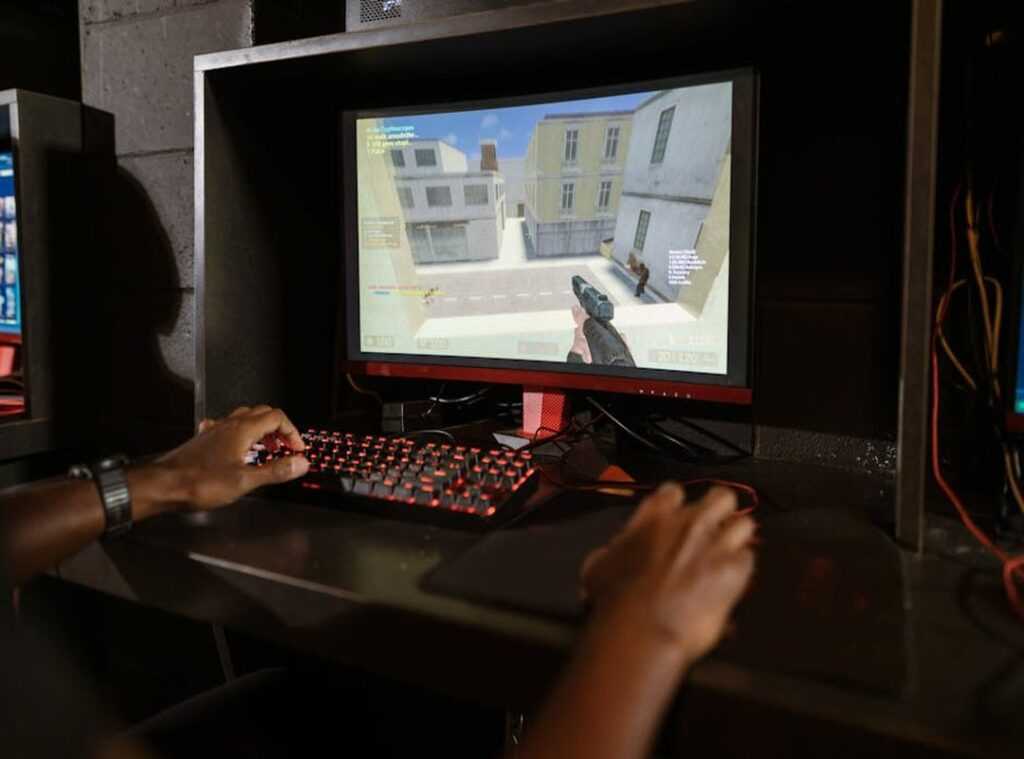
Ever jumped into an FPS game only to get demolished in seconds? It’s infuriating, right? You feel outgunned, outplayed, and just plain out of luck.
But here’s the thing: succeeding in FPS games isn’t just about raw talent. It’s about understanding the mechanics that can turn frustration into fun. I’ve worked with countless players, breaking down these games to their core.
We’ve transformed confusion into confidence by focusing on FPS strategies beginners need. In this guide, I promise to share the foundation you need for immediate improvement. From Call of Duty to Apex Legends, these tips will help you stop losing and start winning.
Trust me. By the end, you’ll have the tools you need for long-term success. Ready to level up?
Let’s get started!
The Winning Mindset: It’s Not Just About Reflexes
You might think reflexes rule the roost in FPS games. But they’re not your most solid weapon. It’s all about mindset.
Raw aim? Useless without the right mental approach. You need to learn from every death.
Seriously, each elimination is a chance to ask, “What could I have done differently?” Maybe you missed a sneaky enemy or chose the wrong cover. Embrace these moments as gold mines for growth.
Staying calm is key too. Panic leads to wild shots and bad decisions. We’ve all been there, right?
Take a deep breath. Think before charging into a fight. It saves you from being a kamikaze.
Trust me, calmness brings a strategic edge.
Here’s another tip: focus on one improvement at a time. Don’t try mastering everything at once. Want better positioning?
Work on that for a few matches. Simplifying your goals keeps you from getting overwhelmed.
If you’re serious about leveling up, these FPS strategies for beginners aren’t just suggestions. They’re game-changers. Want to dive deeper into game mechanics?
Check out Understanding Game Balance Developers. It’s where real takeaways live. Remember, mindset is your true ally.
Get it right, and you’ll see the difference.
Movement and Positioning: Your First Line of Defense
Let’s be clear: good movement is your armor. If you’re darting around, you’re a nightmare to hit. Before bullets even fly, positioning is your secret weapon.
You want to get the jump on your opponent? Use cover like your life depends on it (because it does). Move from one cover spot to the next, keeping exposure to a minimum.
Think of it like chess. You’re playing the angles, not just rushing in like a madman.
Crosshair placement is where beginners trip up. It’s simple. Keep your crosshair aimed where the enemy’s head or chest is likely to pop up, not at the floor or the sky.
Why make it harder for yourself? Aim where it counts. You’ll thank me later.
High ground, folks. It’s not just something Obi-Wan talks about. Shooting from above gives you a massive advantage.
Picture this: you’re looking down, enemy is exposed, and you’ve got gravity on your side. It’s a no-brainer.
Standing still? That’s an invitation for a headshot. Keep moving.
Simple strafing (left,) right, left. Can mess with enemy aim. It’s like dancing, but with more adrenaline.
Keep that rhythm, and you’ll stay alive longer.
For fps principles, understanding movement and positioning is a game-changer. For FPS strategies beginners, these tactics separate the pros from those stuck in respawn hell. So get moving, keep your wits about you, and let your positioning do the talking.
It’s not just about shooting; it’s about outsmarting. That’s the game.
Aiming 101: Hit Your Targets with Ease
Everyone wants to improve their aim. I get it. It’s the holy grail of FPS strategies beginners seek to master.
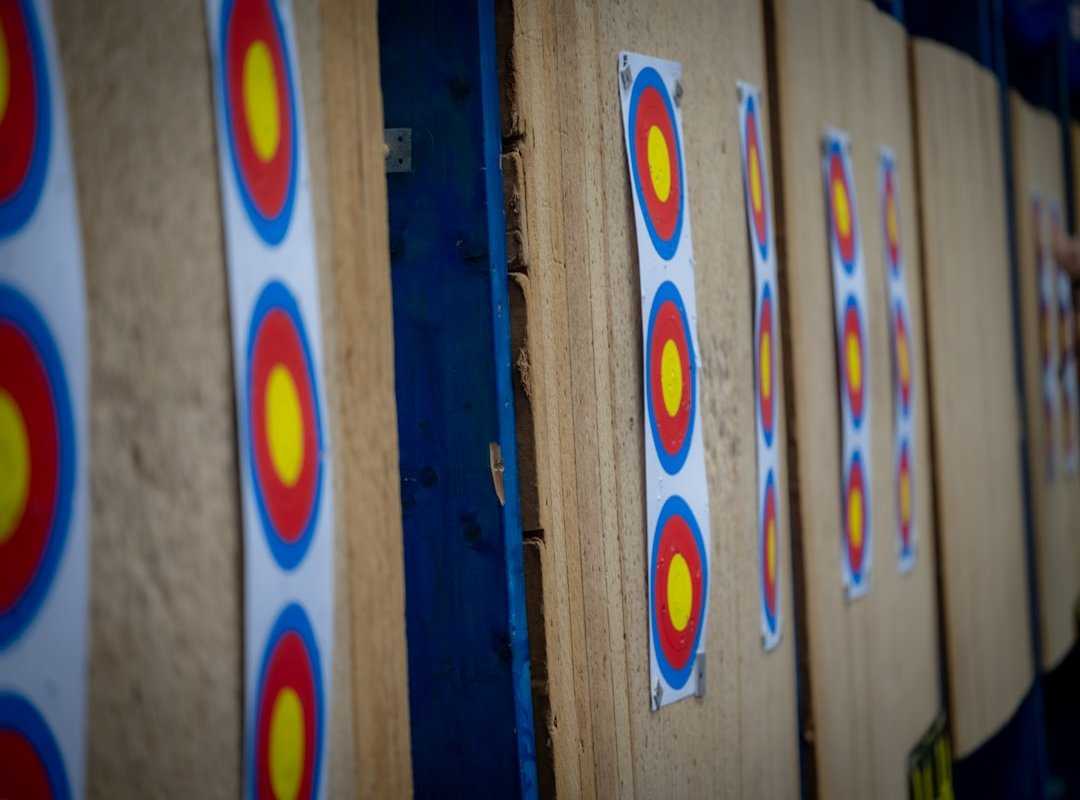
And here’s where it starts: finding your sensitivity. Mouse or controller sensitivity is how fast your aim moves in-game. Lower sensitivity might seem counterintuitive, but trust me, it helps with precision.
You want to be a sniper, not a whirlwind.
How do you find the right setting? Easy. Start low and bump it up until you lose control.
Then dial it back a notch. Think of it like Goldilocks (find) what’s just right.
Now, let’s break down the two main aiming styles: tracking and flick shots. Tracking means keeping your crosshair on a moving target. Flick shots are all about snapping to a target quickly.
I recommend focusing on tracking first. Why? Because it builds fundamental skills.
Like learning the ropes before going full-on ninja.
And let’s not forget practice. Use the in-game firing range or training mode. It’s your gym.
No pressure. Just run through a 5-10 minute warm-up before jumping into real matches. Get those muscles firing.
Muscle memory is your best friend here.
Aim for the upper torso and head. Most games reward headshots with multipliers, so you’re dealing more damage. It’s not just spray and pray.
It’s calculated chaos.
All of this ties into understanding the psychology of games. Difficulty settings change everything about how you approach a game. To dive deeper into this, check out this psychology game difficulty settings topic.
Pro tip: Don’t be afraid to adjust settings mid-game. Adaptation is key.
These methods give you an edge. With practice, you’ll hit your targets more consistently. Who doesn’t want to be the top fragger?
Game Sense: Outsmarting the Enemy Before You See Them
Ever felt like you’re just reacting in FPS games without really knowing what’s happening around you? game sense comes in. It’s all about being aware of the game beyond what’s on your screen. Think of it as your sixth sense.
Game sense is what separates the pros from amateurs.
First, let’s talk about the mini-map. Neglect it, and you’re flying blind. It’s your best friend.
Every time an enemy fires, their location pops up. Same goes for teammates. Make a habit of glancing at it often.
Not just when you’re bored! Glance, plan, execute.
Then there’s the magic of audio cues. Sound in FPS games is more than just background noise. It’s like seeing with your ears.
Footsteps, weapon sounds, and character abilities. Each has a distinct sound. They’re like little messengers telling you where the enemy is hiding.
Silence can be just as telling. If you hear nothing, maybe an ambush is near.
But wait, FPS isn’t only about kills. It’s tempting to just shoot everything, but objectives matter more. Think of capturing a flag or holding a zone.
Winning isn’t just about the kill count. It’s about playing smart. Beginners, take note.
Playing the objective is the best way to help your team and learn the game.
Incorporating these FPS strategies beginners often overlook will give you an edge. Questions? Probably.
But it’s all about practice and awareness. The more you play, the more you’ll understand. And soon you’ll be the one outsmarting opponents before they even know you’re there.
Start Your FPS Journey with Confidence
Frustrated with your FPS skills? You’re not alone. But now, you’ve got the tools to turn it around.
Remember those core pillars: mindset, movement, aiming, and game sense. They’re your new best friends. Why do these work so well?
Because they build a solid foundation that leads to real, lasting improvement.
Let’s get practical. For your next match, pick just one tip from this guide. Maybe focus on your crosshair placement.
Make it your only goal. Forget winning or losing for now. Just practice that one thing.
Trust me, you’ll be amazed at the difference it makes.
You’ve got this. Your journey with FPS strategies beginners is just getting started. Don’t let frustration hold you back.
Dive in, practice, and see how quickly you improve. Need proof? Countless players have leveled up using these steps.
So, what are you waiting for? Jump into your next game with a fresh mindset!
 Sylvara Selmorne is the kind of writer who genuinely cannot publish something without checking it twice. Maybe three times. They came to level-up progression tactics through years of hands-on work rather than theory, which means the things they writes about — Level-Up Progression Tactics, Immersive Worlds and Character Design, Hot Topics in Gaming, among other areas — are things they has actually tested, questioned, and revised opinions on more than once.
That shows in the work. Sylvara's pieces tend to go a level deeper than most. Not in a way that becomes unreadable, but in a way that makes you realize you'd been missing something important. They has a habit of finding the detail that everybody else glosses over and making it the center of the story — which sounds simple, but takes a rare combination of curiosity and patience to pull off consistently. The writing never feels rushed. It feels like someone who sat with the subject long enough to actually understand it.
Outside of specific topics, what Sylvara cares about most is whether the reader walks away with something useful. Not impressed. Not entertained. Useful. That's a harder bar to clear than it sounds, and they clears it more often than not — which is why readers tend to remember Sylvara's articles long after they've forgotten the headline.
Sylvara Selmorne is the kind of writer who genuinely cannot publish something without checking it twice. Maybe three times. They came to level-up progression tactics through years of hands-on work rather than theory, which means the things they writes about — Level-Up Progression Tactics, Immersive Worlds and Character Design, Hot Topics in Gaming, among other areas — are things they has actually tested, questioned, and revised opinions on more than once.
That shows in the work. Sylvara's pieces tend to go a level deeper than most. Not in a way that becomes unreadable, but in a way that makes you realize you'd been missing something important. They has a habit of finding the detail that everybody else glosses over and making it the center of the story — which sounds simple, but takes a rare combination of curiosity and patience to pull off consistently. The writing never feels rushed. It feels like someone who sat with the subject long enough to actually understand it.
Outside of specific topics, what Sylvara cares about most is whether the reader walks away with something useful. Not impressed. Not entertained. Useful. That's a harder bar to clear than it sounds, and they clears it more often than not — which is why readers tend to remember Sylvara's articles long after they've forgotten the headline.