

The first time I stumbled upon a truly bizarre creature in a game, I was hooked. It wasn’t your typical dragon or zombie. It was something more.
Something that made me pause and think, “How did they even come up with this?” These bio-engineered creatures video games feature aren’t just about eye-catching designs. There’s a whole world of creativity and innovation behind them. But let’s face it.
We often get so caught up in gameplay that we miss appreciating the genius behind their creation.
I’ve spent years not just playing but analyzing game design and character creation. My passion for dissecting what makes virtual worlds tick is deep. So stick with me.
This article will guide you through the most iconic genetically modified beings in games. You’ll see why they’re memorable and how they boost our gaming experiences.
Twisting Genes: Video Game Monsters
Ever wonder what makes a creature in a video game “genetically modified”? It’s all about science gone wild (and a bit of a mad scientist’s dream). Essentially, these are bio-engineered creatures that stem from deliberate genetic manipulation.
Think “lifeforms twisted by science,” not by some ancient curse or mystical force.
Let’s break it down. First, you’ve got the “Created from Scratch” variety. These are beings like the Tyrant from Resident Evil, created in labs as lethal killing machines.
Born entirely from human tinkering, they’re science’s ugly masterpiece (and terrifyingly effective). These creatures don’t evolve naturally. They’re engineered, like models off an assembly line.
They’re not born bad (they’re) turned into nightmares by science gone awry.
Then, there are the “Altered Originals”. Take the Clickers from The Last of Us, once humans now warped by a viral fungus. These guys started life like you and me, but an injection or virus twisted their fate into something monstrous.
In contrast, think of a demon from Doom. It’s not science but supernatural forces at work there. See the difference?
Video game developers have a blast with these concepts. It opens up a world of creative possibilities, molding bio-engineered nightmares. Curious about how such ideas evolve from concept to game?
Check out concept to game developing creatures.
Unforgettable Bio-Engineered Icons: Gaming’s Hall of Fame
You ever dive headfirst into a game and get knocked sideways by its creatures? Bio-engineered creatures in video games do that to me every time. Let’s kick things off with the Big Daddies from BioShock.
These hulking protectors, clad in old-timey diving suits, are a force of nature. It’s like someone decided to splice humans into tanks. The result?
A walking nightmare with a drill for an arm. They haunt your dreams with those mournful groans, and God help you if they think you’re a threat to the Little Sisters.
Next, we’ve got the Flood from Halo. These parasitic nightmares redefine the word “constant.” Imagine a virus, but one that turns sentient beings into mindless killers. It’s a whole new level of creepy.
The Flood’s ability to evolve and consume everything makes them unforgettable. They don’t just invade; they transform entire worlds. You can’t play Halo without the Flood leaving a mark on your brain.
And then there are the Clickers from The Last of Us. Talk about unsettling. These folks didn’t choose to become fungal zombies, yet here they are, clicking and clacking through the apocalypse.
The science? A fungal infection that takes over the host’s brain, turning them into twitchy, blind hunters. Their eerie, clicking sounds will stick with you long after you put the controller down.
These creatures don’t just lurk in the shadows. They dominate the gaming space with their unique designs and spine-chilling presence. They’re the reason we hold our breath and grip our controllers a little tighter.
For a deeper dive into the creation of such tangible threats, check out here be monsters producing tangibly minatory. It’s a peek behind the curtain into how these unforgettable icons are born.
Playing against these creatures isn’t just a challenge. It’s an experience that defines a game. Bio-engineered creatures video games aren’t just characters; they’re legends.
More Than Monsters: Storytelling Through Bio-Engineered Beasts
Monsters in video games aren’t just mindless enemies. They’re storytelling powerhouses. Take bio-engineered creatures in video games.
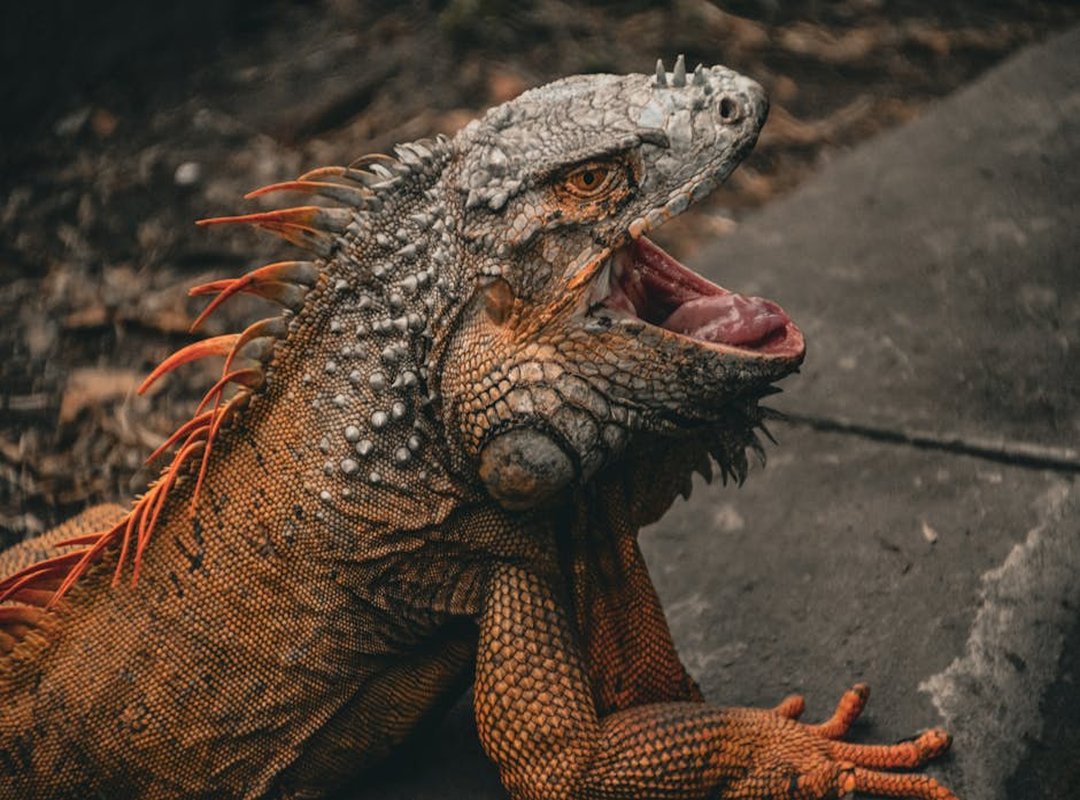
They do more than just lurk in shadows waiting to be obliterated. They create an atmosphere, painting a picture of the world they inhabit.
Think of the Big Daddy from “Bioshock.” This isn’t just about the hulking, fearsome exterior. It reflects the tragic decay of Rapture, a place once dreamed as a utopia. No dialogue needed.
Just seeing it tells you everything about the city’s fall from grace. It’s environmental storytelling at its best.
Then there’s the idea of genetic modification gone wrong. These creatures often embody the dangers of unchecked ambition, like in “The Last of Us” where Clickers are a haunting reminder of human vulnerability. They weren’t always the way they are now.
Once human, now tragic figures caught in a world they never asked for. Does that make you pause and think? It should.
It’s a solid statement on science without morality.
So many of these “monsters” once had dreams, families, lives. Their stories add layers and depth, making the game’s world richer. Feeling empathy for a fictional creature might seem odd, but that’s the magic of storytelling here.
For those curious about how these creatures are inspired by the real world, learn more.
Bio-engineered creatures in video games do more than just provide a challenge. They give the world meaning. They make players care.
And isn’t that what good storytelling is all about?
Supercharged Gameplay: The Power of Bio-Engineered Creatures
Bio-engineered creatures in video games? They’re game-changers, literally. These creatures flip gameplay on its head, bringing unique mechanics to the table.
Take the Flood in Halo. Their ability to reanimate corpses? Genius.
Suddenly, every dead enemy is a potential threat. It’s not just about shooting anymore. You need the right weapon, like a shotgun, to keep them down.
It’s wild, and it forces you to think ahead.
Then there are the boss fights. Forget shooting at a giant glowing weak spot. These fights are about studying patterns, finding that scientific weakness.
Ever faced a boss that requires more than just firepower? It’s like solving a puzzle under pressure.
And don’t even get me started on how these games let you play mad scientist. In BioShock, plasmids let you wield powers. Mass Effect’s biotics?
Same deal. You take the scary science and turn it into your personal arsenal. It’s like being in a sci-fi flick where you’re the hero (or anti-hero, if that’s your style).
These mechanics draw you in deeper. They make you feel part of the world, like your choices matter. You’re not just observing; you’re participating.
It’s immersive and makes every decision key. You think, “How would I handle this if it were real?”
Bio-engineered creatures video games aren’t just about graphics or story anymore. It’s about how these elements make you feel, react, and adapt. The textures, the sounds, even the smells (imagine the stench of a reanimated Flood).
It’s all designed to pull you in. And honestly? It’s thrilling.
Discover the Hidden Depths of Gaming
Now you know the secret sauce behind bio-engineered creatures video games. They’re not just scary beasts. They’re brilliant storytelling tools that make our games changing and engaging.
This insight adds a layer of appreciation to your favorite games, doesn’t it? Next time you dive into a game, keep an eye out for these design secrets. What are your top bio-engineered creatures?
Share your thoughts. And while you’re at it, explore more of our articles that break down the magic behind great games. Dive deeper and see what else you’ve been missing.
Your favorite games will never feel the same.
 Sylvara Selmorne is the kind of writer who genuinely cannot publish something without checking it twice. Maybe three times. They came to level-up progression tactics through years of hands-on work rather than theory, which means the things they writes about — Level-Up Progression Tactics, Immersive Worlds and Character Design, Hot Topics in Gaming, among other areas — are things they has actually tested, questioned, and revised opinions on more than once.
That shows in the work. Sylvara's pieces tend to go a level deeper than most. Not in a way that becomes unreadable, but in a way that makes you realize you'd been missing something important. They has a habit of finding the detail that everybody else glosses over and making it the center of the story — which sounds simple, but takes a rare combination of curiosity and patience to pull off consistently. The writing never feels rushed. It feels like someone who sat with the subject long enough to actually understand it.
Outside of specific topics, what Sylvara cares about most is whether the reader walks away with something useful. Not impressed. Not entertained. Useful. That's a harder bar to clear than it sounds, and they clears it more often than not — which is why readers tend to remember Sylvara's articles long after they've forgotten the headline.
Sylvara Selmorne is the kind of writer who genuinely cannot publish something without checking it twice. Maybe three times. They came to level-up progression tactics through years of hands-on work rather than theory, which means the things they writes about — Level-Up Progression Tactics, Immersive Worlds and Character Design, Hot Topics in Gaming, among other areas — are things they has actually tested, questioned, and revised opinions on more than once.
That shows in the work. Sylvara's pieces tend to go a level deeper than most. Not in a way that becomes unreadable, but in a way that makes you realize you'd been missing something important. They has a habit of finding the detail that everybody else glosses over and making it the center of the story — which sounds simple, but takes a rare combination of curiosity and patience to pull off consistently. The writing never feels rushed. It feels like someone who sat with the subject long enough to actually understand it.
Outside of specific topics, what Sylvara cares about most is whether the reader walks away with something useful. Not impressed. Not entertained. Useful. That's a harder bar to clear than it sounds, and they clears it more often than not — which is why readers tend to remember Sylvara's articles long after they've forgotten the headline.