
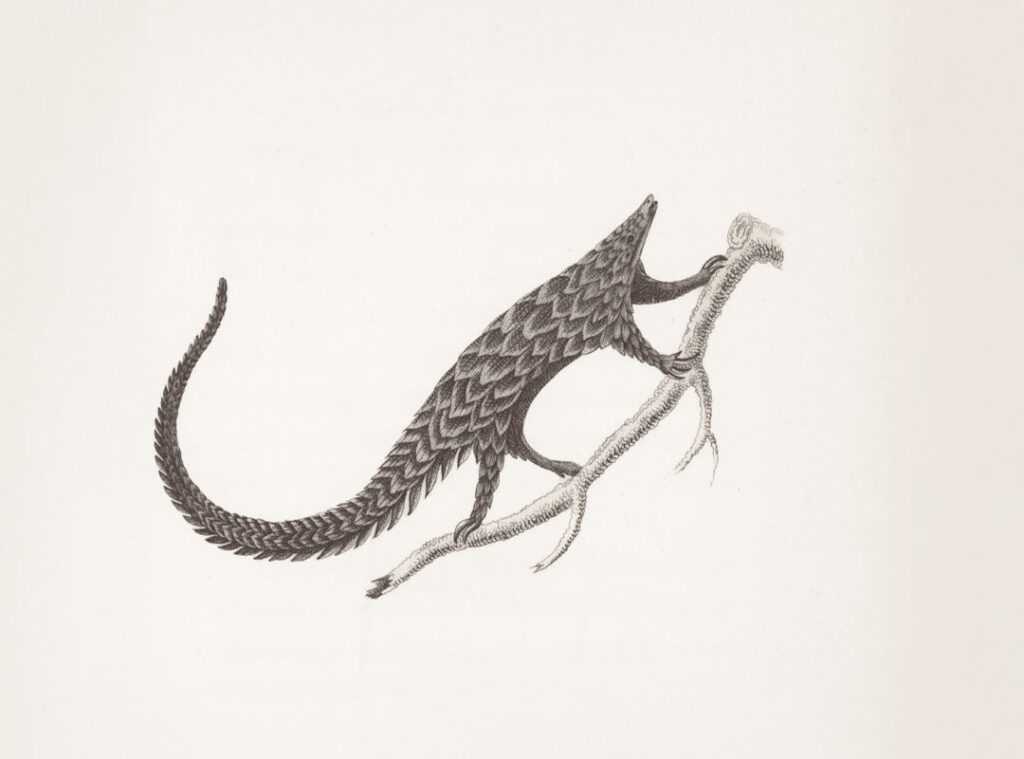
Staring at a blank page, waiting for a unique character idea to just pop into your head, can be maddening. I get it. I’ve spent years dissecting what makes game characters memorable, and it’s not just about giving them pointy ears or making them look cool.
You want depth, right?
the natural world comes in. It’s a treasure trove for designing creatures nature. This guide will show you how to tap into that.
Your creations will stand out, feel authentic, and be packed with intriguing abilities. Trust me, with this approach, your characters will be anything but generic. !
Nature’s Design Secrets: Open up Your Creativity
Have you ever stopped to think about how nature is like the ultimate design toolbox? It’s true. Nature has spent millions of years perfecting designs that we can only dream of.
This is where biomimicry comes in. It’s all about stealing ideas from nature’s playbook. (No shame in that game.)
Imagine this: glowing deep-sea fish or plants that mimic insects. That’s some wild stuff. And it’s just waiting to inspire your next character design.
Think about games like StarCraft. The Zerg are basically giant bugs on steroids. Or Pokémon (so) many are inspired by real animals and plants.
Why look anywhere else when nature’s got built-in logic? Animal abilities and defenses already make sense, which means your character’s skills won’t feel forced. They’ll feel grounded and believable.
And let’s talk visuals. Nature’s got color palettes and patterns you’d never dream up. Ever seen a poison dart frog?
Or a peacock mantis shrimp? Those colors are out of this world.
The real kicker? Endless ideas. With millions of species out there, you’ll never hit a creative wall.
Nature’s got your back. It’s like having a cheat code for creativity.
Want more inspiration? Dive into the Top Bio Engineered Creatures Video Games. It’s a treasure trove of ideas just waiting to be explored.
Designing creatures with nature’s help isn’t just smart. It’s important. Get out there and start creating.
Step 1: Unearth Your Unique Spark
Ready to dive into a bio-hunting expedition for ideas? Forget the typical lions and eagles. Let’s get weird.
Seriously. Why stick to the same old animals when there’s a whole world of bizarre creatures waiting for you to discover?
Brainstorming Goldmines
- Amazing Animals: Ever heard of the anglerfish or the vampire squid? These deep-sea oddities have more character than most people I know. And don’t even get me started on the praying mantis. Have you seen how it moves? Like it’s got plans. The axolotl can regenerate limbs, and the bombardier beetle? That thing shoots chemicals. Talk about explosive personality.
- Solid Plants: Everyone’s a tree person at heart, but let’s dig deeper. All hail the Venus flytrap. It’s literally a plant that eats meat! Then there’s the underground world of mycelial networks (think fungi’s internet). And those stinging nettles? They’re not just for backyard sting operations; they teach defense like no other.
- Extreme Environments: Picture a creature from a volcanic vent. What do they eat? How do they even survive? Or, imagine one thriving in a crystal cave. The harsh environment shapes them in unexpected ways. It’s like Mother Nature took a wild guess and rolled with it.
Now, why does this matter for you? Because the best creatures come from the oddest inspirations. You see, when it comes to designing creatures nature, the more bizarre, the better.
Pick one or two concepts that you think are the coolest. Don’t overthink it (just) go with what excites you! Trust me, it’s the ones that catch you off guard that make the best stories.
Ready to hunt?
Unleash Nature’s Power: Turn Traits into Talents
Here’s the kicker: this step is where biology meets gameplay magic. Imagine the Armadillo’s tough shell. It doesn’t just ward off predators.

It inspires a “Bulwark Mode” in a game where the character curls up, boosting defense but becoming immobile. Wild, right? We take what’s already in nature and make it shine in gaming.
Let’s break it down. Take a natural trait and turn it into a talent. Simple formula, right?
Trait-to-Talent. It’s like alchemy but cooler. Think of a mimic octopus with its insane camouflage skills.
Now picture a character ability that turns players invisible, sneaking past foes without a trace.
Ever heard of the Bombardier Beetle? It sprays chemicals, causing chaos. In a game, that becomes a cone attack, spewing chemical damage over time.
Offense and defense, all wrapped in one neat package. (And who doesn’t love some strategic chaos?)
Now, the real fun begins. What about skills that support? Look at symbiotic relationships.
A clownfish and anemone team-up can inspire support roles. Picture a character that boosts allies when near a specific creature. This isn’t just designing creatures nature; it’s about borrowing the best parts of life and weaving them into gaming.
The possibilities are endless. You’ve got the blueprint. Take a trait, twist it into a skill.
It’s not just about offense or defense. It’s about blending, supporting, and creating unique experiences. Every detail matters.
Every trait can morph into something game-changing.
For more on how we bring these ideas to life, check out this concept to game developing creatures. Dive in and see how traits become talents. It’s not just a game.
It’s a world waiting to be explored.
Crafting a Narrative with Visuals: The Art of Creature Design
When designing creatures, nature is your palette. I can’t stress enough the importance of making your creature’s look reflect its origins and abilities. It’s not just about slapping leaves on a human figure.
Trust me, nothing screams amateur more than a creature that looks like a person with leaves glued on. Your creature should feel like it truly belongs to its world.
Start with the silhouette. This is your creature’s first impression. Does it tower like a giant oak or slink low like a stealthy crocodile?
You should sketch its basic shape first. It’s kind of like crafting a shadow that tells a story before the details get filled in.
Borrowing directly from nature is not just okay (it’s) brilliant. It’s like giving your creature a built-in narrative.
Next up is color and pattern. Think of the iridescent hues on a beetle’s shell or the camouflage of a leopard. These choices can hint at a creature’s habitat and behavior.
And what about texture? Imagine how your creation feels. Are its scales smooth, its bark rough, or its moss soft?
Texture adds an extra layer of believability. It’s not just about looks. A creature’s feel can tell its story just as loudly as its silhouette.
Ultimately, each visual element is a chance to communicate. A chance to intrigue before a single word is read. Every choice should hint at what your creature can do and where it comes from.
That’s the key to a design that captivates and immerses.
Unleash Your Inner Creature Creator
Got stuck with creator’s block or bland designs? Not anymore. You’ve got a killer method for making amazing characters.
Nature’s packed with endless, authentic ideas. Ever notice how animals, plants, and places have cool features? Use them.
They’re pre-tested by evolution, ready for your twist. Whether it’s a fierce tiger or a serene forest, the world inspires every detail. So why wait?
The wild world is your canvas. Pick something that excites you and dive in. Start brainstorming.
Forget the old, generic designs. Embrace designing creatures nature offers. The possibilities are endless.
Go create something wild.
 Sylvara Selmorne is the kind of writer who genuinely cannot publish something without checking it twice. Maybe three times. They came to level-up progression tactics through years of hands-on work rather than theory, which means the things they writes about — Level-Up Progression Tactics, Immersive Worlds and Character Design, Hot Topics in Gaming, among other areas — are things they has actually tested, questioned, and revised opinions on more than once.
That shows in the work. Sylvara's pieces tend to go a level deeper than most. Not in a way that becomes unreadable, but in a way that makes you realize you'd been missing something important. They has a habit of finding the detail that everybody else glosses over and making it the center of the story — which sounds simple, but takes a rare combination of curiosity and patience to pull off consistently. The writing never feels rushed. It feels like someone who sat with the subject long enough to actually understand it.
Outside of specific topics, what Sylvara cares about most is whether the reader walks away with something useful. Not impressed. Not entertained. Useful. That's a harder bar to clear than it sounds, and they clears it more often than not — which is why readers tend to remember Sylvara's articles long after they've forgotten the headline.
Sylvara Selmorne is the kind of writer who genuinely cannot publish something without checking it twice. Maybe three times. They came to level-up progression tactics through years of hands-on work rather than theory, which means the things they writes about — Level-Up Progression Tactics, Immersive Worlds and Character Design, Hot Topics in Gaming, among other areas — are things they has actually tested, questioned, and revised opinions on more than once.
That shows in the work. Sylvara's pieces tend to go a level deeper than most. Not in a way that becomes unreadable, but in a way that makes you realize you'd been missing something important. They has a habit of finding the detail that everybody else glosses over and making it the center of the story — which sounds simple, but takes a rare combination of curiosity and patience to pull off consistently. The writing never feels rushed. It feels like someone who sat with the subject long enough to actually understand it.
Outside of specific topics, what Sylvara cares about most is whether the reader walks away with something useful. Not impressed. Not entertained. Useful. That's a harder bar to clear than it sounds, and they clears it more often than not — which is why readers tend to remember Sylvara's articles long after they've forgotten the headline.