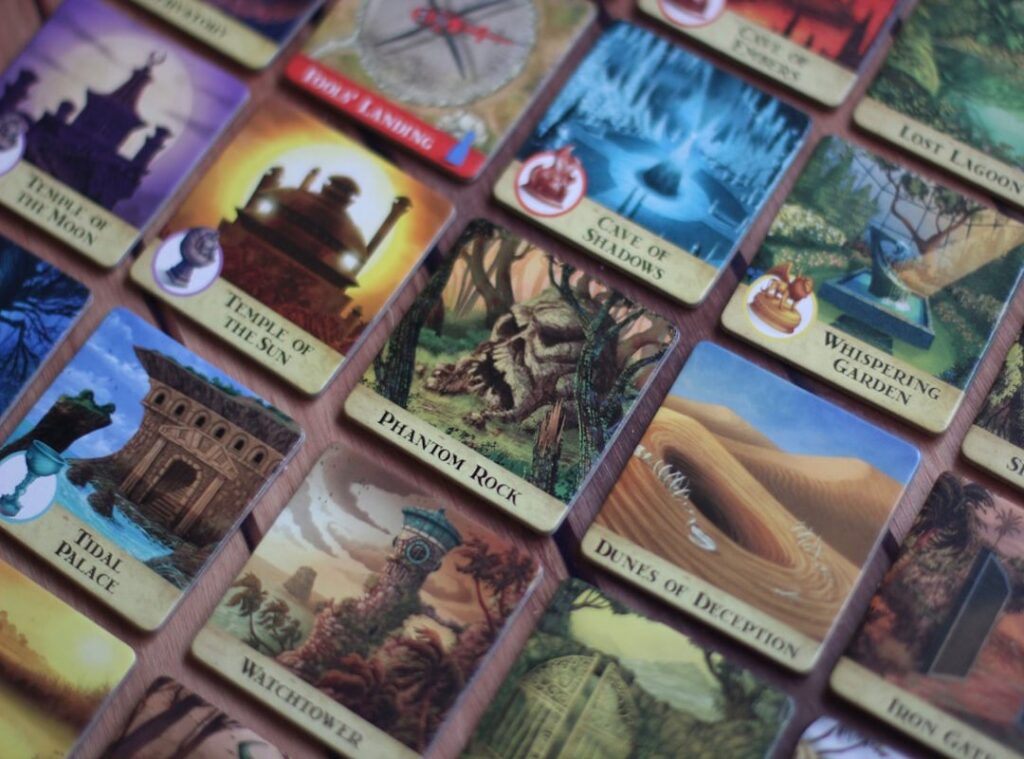
Ever felt that rush when you stare down a gigantic Minotaur or use the might of a deity in a game? It’s not just you. We’re captivated by these myth-inspired worlds for a reason.
But why do these games, rooted in ancient tales, hook us so intensely? I’m diving deep into the heart of why mythology video game storytelling grips us like it does. It’s more than just epic battles and godlike powers.
It’s about character design, world-building, and the detailed narratives that reel us in. I love dissecting game mechanics and narratives to get to the core of what works and why.
By the end, you’ll see your favorite games with fresh eyes. Ready to uncover the secrets? Let’s get into it.
Ancient Blueprints: Myths in Modern Games
Ever wonder why some stories just stick with us? It’s all about universal themes. Myths gave us the first tales of heroism, betrayal, sacrifice, and discovery.
We still crave these stories, don’t we? They’re ingrained in us. Think about your favorite video game.
Chances are, it’s built on these themes. Mythology video game storytelling taps into our shared history. It’s like an instant connection.
Now, let’s talk about character archetypes. They’re the building blocks of great stories. You’ve got the Hero, like Link from The Legend of Zelda.
He’s the classic underdog, the one who rises up to save the day. Then there’s the Mentor, like The Speaker from Destiny. They guide the hero, offering wisdom and sometimes a kick in the pants.
And who can forget the Trickster? Loki pops up in so many games, always stirring the pot. Without these characters, stories would fall flat.
So, why do myths work so well in games? They provide a narrative shortcut. When a game uses a myth, players already get the world’s rules and history.
It’s like having a map before you even start. You feel the depth instantly, like you’re stepping into a world that existed long before you. That’s solid stuff.
These ancient blueprints make game worlds feel more meaningful. They connect with us emotionally. We might not always know why, but we feel it.
And that makes all the difference. For more on how these characters leave a mark, check out Cultural Impact Iconic Video Game Characters.
From Pantheon to Pixels: How Games Bring Legends to Life
When it comes to mythology video game storytelling, developers have a knack for making ancient tales feel fresh and exciting. How do they do it? They dive into myths in two ways: direct adaptations and loose inspirations.
Let’s start with direct adaptations. Take “Hades” for example. This game doesn’t just place Greek gods into the story as background noise.
No, they’re front and center, each with unique personalities that affect gameplay. You’ve got gods like Zeus and Athena giving you powers that directly tie to their mythological traits. It’s not just a setting; it’s a living, breathing world where the gods actively shape your adventure.
This is brilliantly captured in the mythology retelling in Hades. You feel like you’re part of the myth, not just a spectator.
Then there’s “God of War (2018).” Here, you see how a familiar mythology can be spun into a new narrative. Kratos navigates the Norse world, meeting gods like Odin and Thor. But it’s not just a retelling; it’s a reimagining.
The game takes these well-known figures and crafts a deeply personal story. It’s a fresh take on what could easily have been a predictable path. You get a sense of the myths, but with a twist that’s all its own.
Now, let’s talk about loose inspirations. The “Final Fantasy” series is a perfect example. It borrows mythical names like Ifrit, Shiva, and Bahamut.
But it doesn’t just stop at names. These are solid beings that add epic scale to the gameplay. They’re not direct copies of myths, but they carry that mythological weight.
“Elden Ring” takes it further. Its world is rich with demigods and epic tales, creating a new mythology. Even without direct ties to existing myths, it feels ancient and grand.
It’s like stepping into an unfamiliar legend, yet somehow it resonates.
So, whether it’s a direct myth or a new world inspired by one, games bring these tales to life in ways that are both familiar and utterly new.
Crafting Legendary Foes: Mythical Monsters as the Best Bosses
The best video game monsters aren’t just obstacles. They’re living stories. Ever fought a Hydra?
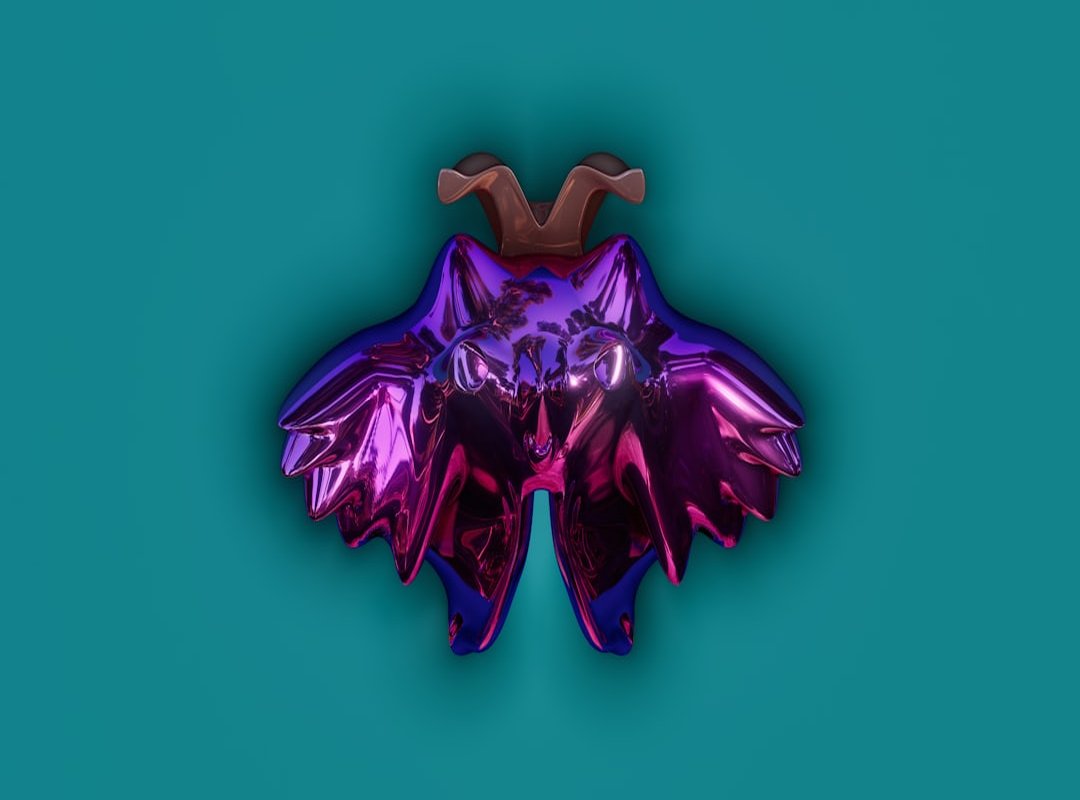
This beast, straight from Greek mythology, doesn’t just stand there waiting to be hit. It’s a multi-headed nightmare that grows two new heads for every one you chop off. It’s like the myth was made for gaming.
That’s the puzzle.
You can’t just whack it mindlessly. You need plan, a plan. How do you stop its constant regeneration?
Let’s not forget the Griffin. A lion and eagle combo (it’s) majestic and terrifying. In games, it often symbolizes royalty and power.
Riding one feels like you’re soaring on the back of a legend. Or maybe you’re up against it. Either way, it’s an encounter that you don’t forget easily.
The Griffin isn’t just a creature; it’s a symbol, making your victories feel grander.
Then there’s the Golem. Ever heard of it? From Jewish folklore, these creatures made of earth or stone are the tanks of the mythical world.
They’re slow, but once they start moving, you better watch out. Imagine that in your game. It changes how you fight.
You can’t just rely on speed. You need to think, adapt.
Fighting creatures with famous backstories makes every victory feel significant. It’s not just about winning; it’s about beating a piece of legend. This is where science behind player motivation gaming becomes key.
Mythology video game storytelling taps into a deep well of player engagement. Who doesn’t want to be a hero slaying a legendary beast? It’s not just a battle.
It’s an experience. And that’s what makes games unforgettable. Players crave these stories, these moments.
The mythical monsters? They’re just the best bosses, hands down.
Beyond Greece: Global Myths in Games
You know, Greek and Norse myths are everywhere in games. They’re like comfort food for developers. But let’s not ignore the wild stories from other cultures that are making their way into games.
It’s fascinating.
Take Japanese mythology, for example. Games like ‘Nioh’ and ‘Okami’ dive into the world of kami (gods) and yokai (spirits/demons). These aren’t just window dressing.
They shape everything from the enemies you fight to the art style you see. It’s like stepping into a Studio Ghibli movie, but with more swords.
Then there’s Egyptian mythology. ‘Assassin’s Creed Origins’ didn’t just pop into existence. It lets you roam a world where gods like Ra and Anubis loom large. The Duat, or underworld, adds a layer that’s both eerie and intriguing.
You’d almost expect a mummy to pop out.
And don’t forget Slavic folklore. ‘The Witcher’ pulls terrifying creatures like the Leshen straight from Eastern European legends. It’s unique. It gives the game world a feel that’s anything but generic.
So next time you’re gaming, notice these influences. They’re shaping the mythology video game storytelling space in ways you might not expect.
Discover the Legends Within Your Games
Ever notice how some games just feel epic? It’s no accident. They’re using mythology video game storytelling to tap into something timeless.
You’ve unlocked the secret ingredient that makes these adventures unforgettable. From the hero’s journey to battling the ultimate boss, ancient narratives are woven into every digital experience you love.
Next time you fire up your console, look for the legends. Ask yourself: what myths will you discover on your next quest?
Your understanding of this hidden layer transforms gaming into something more. Dive in and explore. Your epic adventure is just a power-up away.
 Sylvara Selmorne is the kind of writer who genuinely cannot publish something without checking it twice. Maybe three times. They came to level-up progression tactics through years of hands-on work rather than theory, which means the things they writes about — Level-Up Progression Tactics, Immersive Worlds and Character Design, Hot Topics in Gaming, among other areas — are things they has actually tested, questioned, and revised opinions on more than once.
That shows in the work. Sylvara's pieces tend to go a level deeper than most. Not in a way that becomes unreadable, but in a way that makes you realize you'd been missing something important. They has a habit of finding the detail that everybody else glosses over and making it the center of the story — which sounds simple, but takes a rare combination of curiosity and patience to pull off consistently. The writing never feels rushed. It feels like someone who sat with the subject long enough to actually understand it.
Outside of specific topics, what Sylvara cares about most is whether the reader walks away with something useful. Not impressed. Not entertained. Useful. That's a harder bar to clear than it sounds, and they clears it more often than not — which is why readers tend to remember Sylvara's articles long after they've forgotten the headline.
Sylvara Selmorne is the kind of writer who genuinely cannot publish something without checking it twice. Maybe three times. They came to level-up progression tactics through years of hands-on work rather than theory, which means the things they writes about — Level-Up Progression Tactics, Immersive Worlds and Character Design, Hot Topics in Gaming, among other areas — are things they has actually tested, questioned, and revised opinions on more than once.
That shows in the work. Sylvara's pieces tend to go a level deeper than most. Not in a way that becomes unreadable, but in a way that makes you realize you'd been missing something important. They has a habit of finding the detail that everybody else glosses over and making it the center of the story — which sounds simple, but takes a rare combination of curiosity and patience to pull off consistently. The writing never feels rushed. It feels like someone who sat with the subject long enough to actually understand it.
Outside of specific topics, what Sylvara cares about most is whether the reader walks away with something useful. Not impressed. Not entertained. Useful. That's a harder bar to clear than it sounds, and they clears it more often than not — which is why readers tend to remember Sylvara's articles long after they've forgotten the headline.